Seven Roadside Bites That Outraced the Interstate
Before Eisenhower's highways, America ate on the road too — just at two-lane speed. Here's what to order on your next road trip, and the surprisingly old stories behind every bite.
Category
85 articles
Before Eisenhower's highways, America ate on the road too — just at two-lane speed. Here's what to order on your next road trip, and the surprisingly old stories behind every bite.

Long before influencer chefs and viral recipes, an army of home economists at food companies quietly standardized what Americans cook. Their fingerprints are on every Jell-O box and Crisco tin — and almost nobody knows their names.

Silicon Valley keeps raising millions to deliver 'imperfect' produce to American doorsteps. But the WWII home front ran this exact experiment decades ago — with canning brigades, waste-free pamphlets, and zero apps. What did we forget?
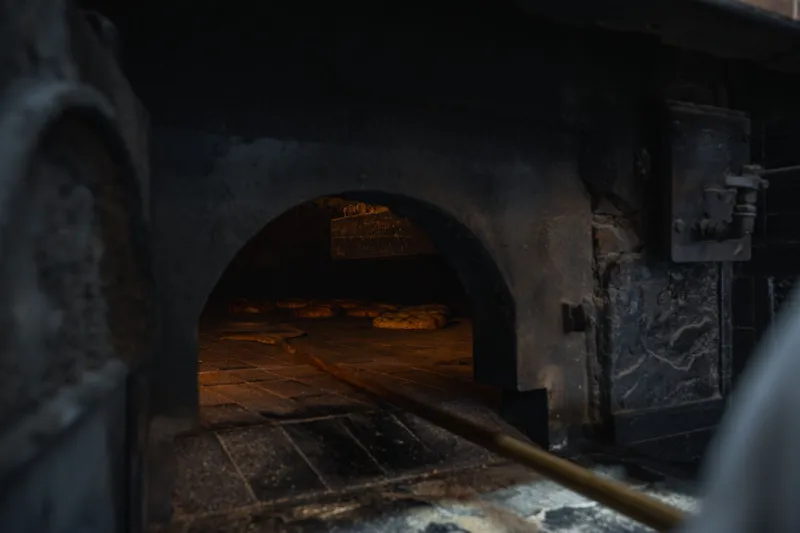
Tucked behind old rowhouses in Pittsburgh, St. Louis, and Philadelphia, you can still find them — heavy, hand-built brick ovens that immigrant families constructed decades ago to bake bread the way their grandmothers did. Most neighbors walk past them without a second glance. But these ovens are time capsules, and the stories baked into their walls are more layered than you'd expect.
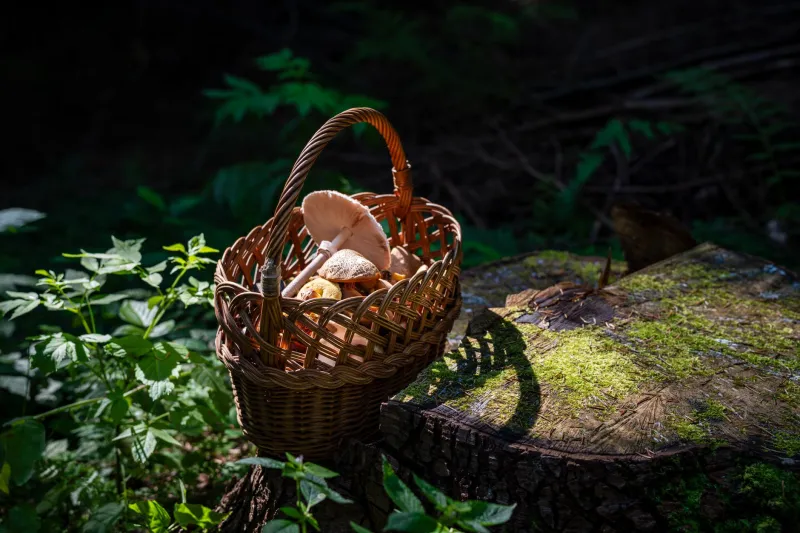
Long before 'farm-to-table' showed up on restaurant menus, a loose network of amateur mushroom hunters across the Pacific Northwest and Appalachia were quietly rewiring how Americans thought about where food comes from. Armed with hand-stapled newsletters and kitchen-table field guides, they built a decentralized food movement that nobody bothered to name. Here's the story they never got credit for.
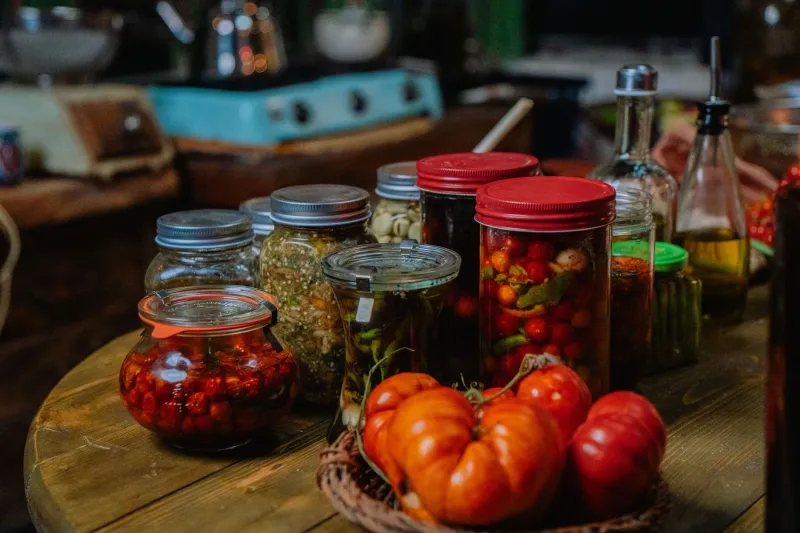
Before mason jars became a Pinterest aesthetic and canning became synonymous with country kitchens and plaid aprons, a completely different crowd was boiling jars in cramped apartments and trading preservation recipes through hand-copied zines. The real story of America's canning revival starts in the 1980s — and it starts in places Martha Stewart never visited.
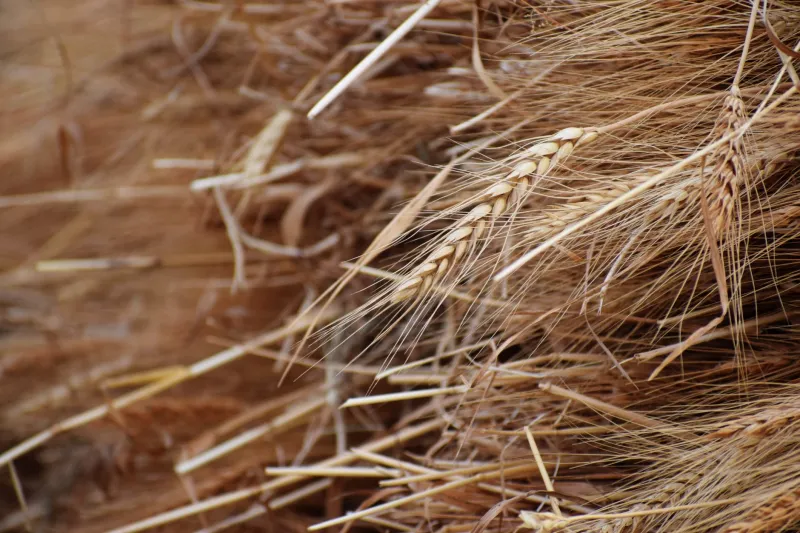
There was a grain growing across early America that stored better than wheat, survived harsher winters, and packed more nutrition per handful than almost anything else settlers could grow. Native communities had relied on it for centuries. Pioneers discovered it and built entire winter food strategies around it. Then industrial farming showed up—and it nearly vanished entirely. Here's the story of what happened, and why it's slowly coming back.
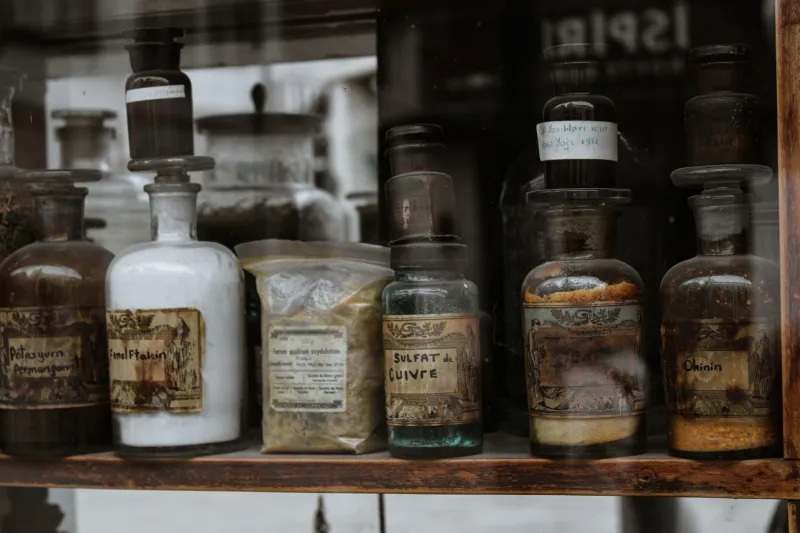
For most of American history, the spice cabinet and the medicine chest were basically the same thing. Doctors prescribed ginger, cloves, and turmeric with the same confidence they'd later prescribe antibiotics—and patients expected it. Now that modern science has gone back and looked at what those remedies actually did, the results are more complicated, more surprising, and more useful than you might expect.
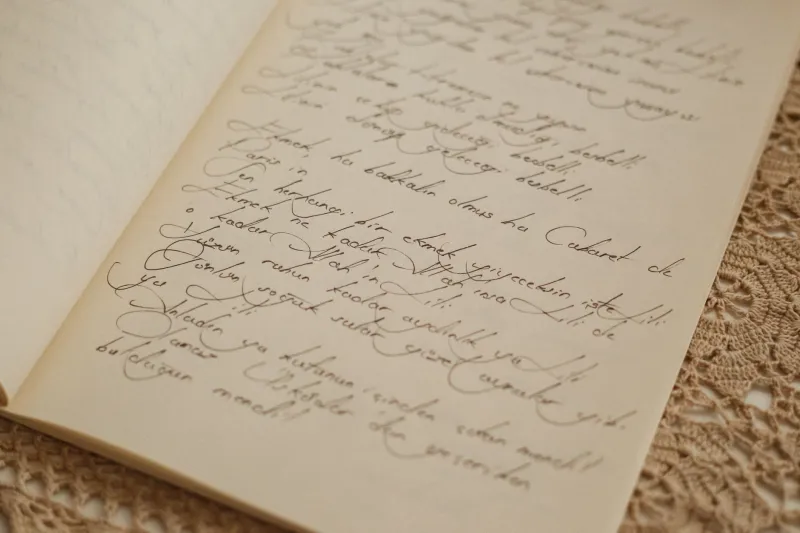
Long before celebrity chefs or food documentaries, a loose network of home cooks and traveling salesmen were filling pocket notebooks with handwritten recipes from every corner of America. These informal records became an accidental culinary atlas—and they reveal just how wildly different American food culture was from one county to the next. The story of how they did it, and why almost nobody remembers them, is one of food history's best-kept secrets.
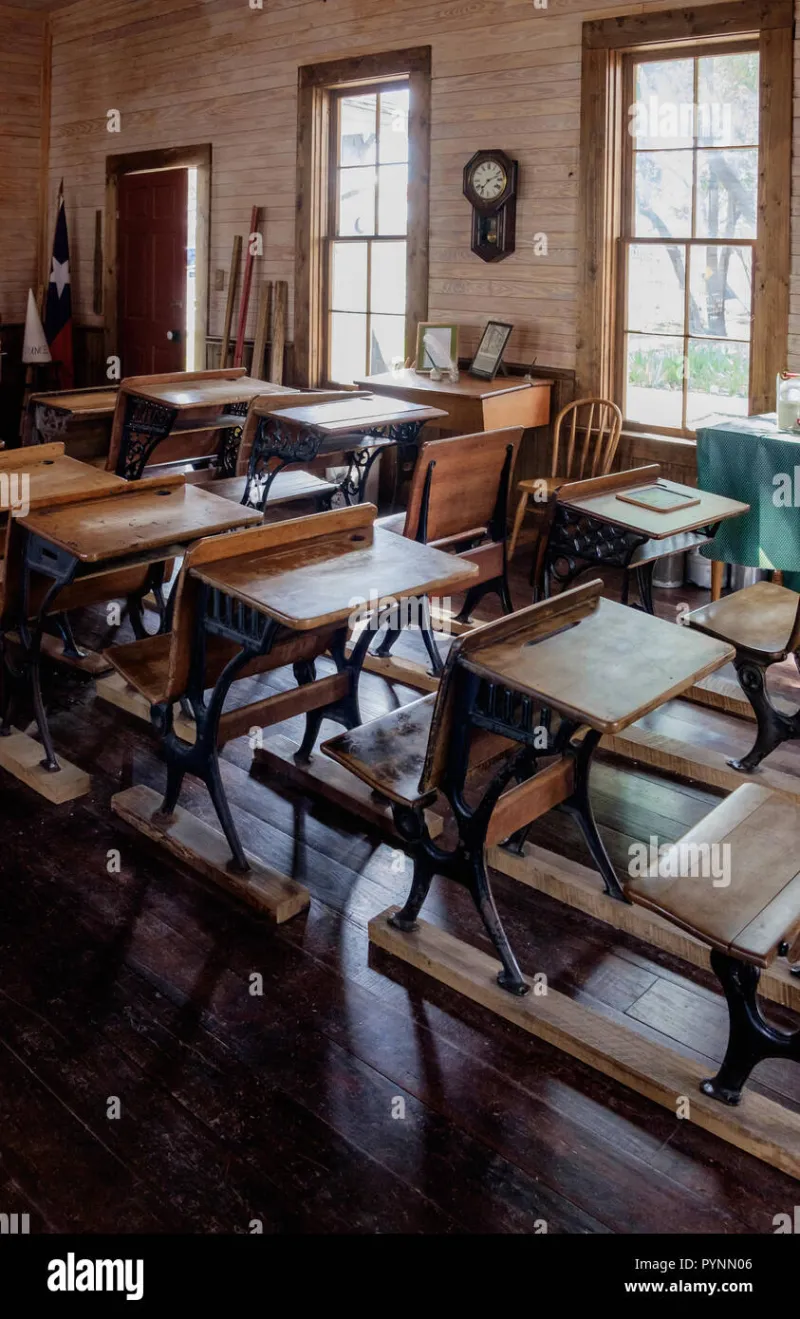
Before casseroles had names or slow-cooked beans had recipes attached to them, the real inventors of American comfort food were rural schoolteachers managing cold lunches in one-room schoolhouses with nothing but a woodstove and whatever farm kids brought from home. What happened in those buildings between 1870 and 1920 shaped the food identity of entire regions — and almost nobody talks about it. This is the story of the accidental culinary revolution that started with a lunch pail.
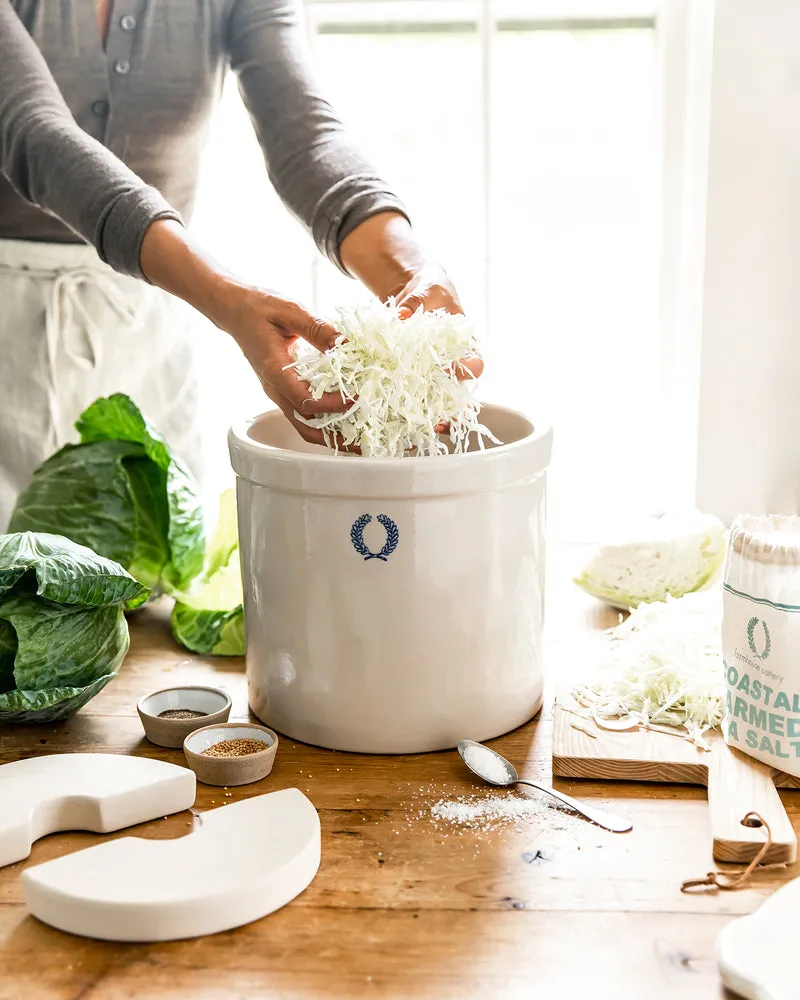
Long before kombucha lined grocery store shelves, Appalachian grandmothers were quietly brewing a tangy, gut-healing drink from dried fruit scraps and wild yeast that kept entire families going through brutal mountain winters. The recipes were never written down — passed mouth to ear, generation to generation — and modern microbiologists are now discovering those old women knew exactly what they were doing. Here's the story of the forgotten ferment that the wellness industry accidentally reinven
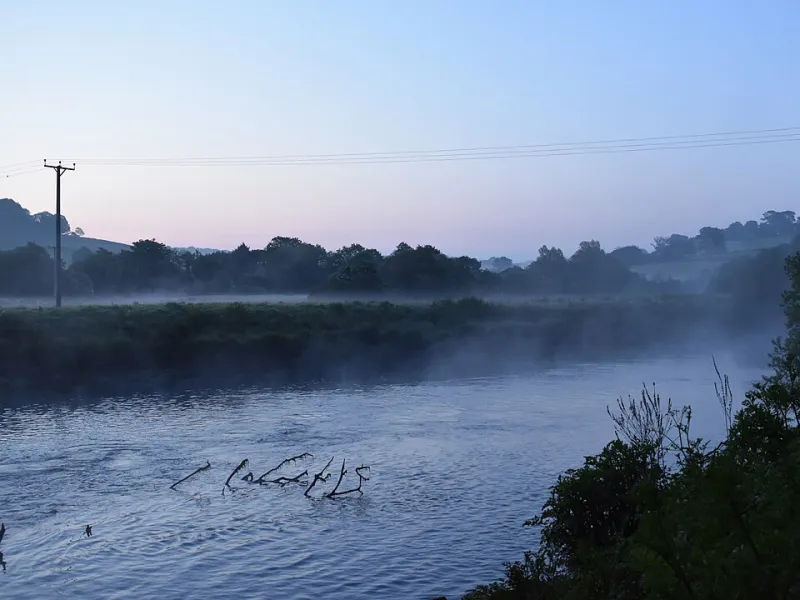
In the hours before most American cities woke up, a completely different economy was already running at full speed — one built by first-generation immigrants who traded produce, haggled prices, and quietly shaped what urban America would eat that day. These pre-dawn wholesale markets were the invisible engine of neighborhood food culture for decades, and the food historians who study them say we've barely begun to understand what was actually happening there. Here's the world that existed before
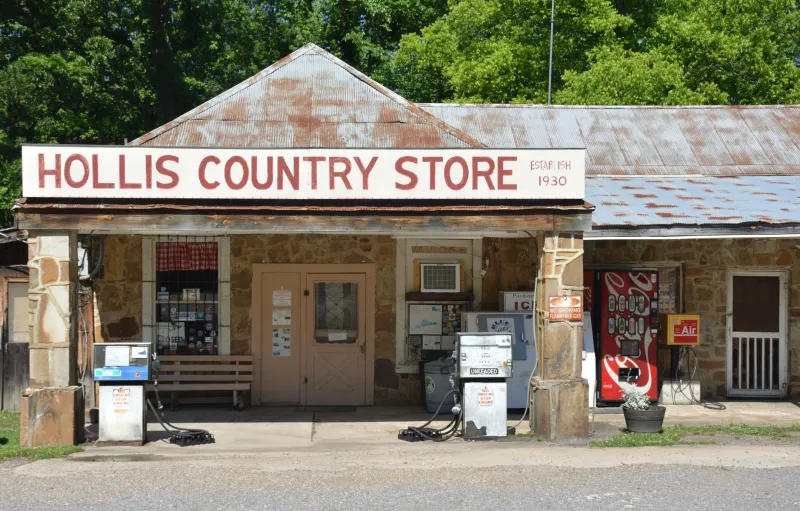
Long before anyone had a smartphone or a Yelp review, hand-drawn maps quietly passed between struggling families during the Great Depression, pointing them toward orchards, farm fields, and roadside stands where food was free for the taking. Nobody organized these networks officially, and almost nobody wrote about them — but they kept entire communities alive. Here's the hidden geography of hunger that history forgot to document.
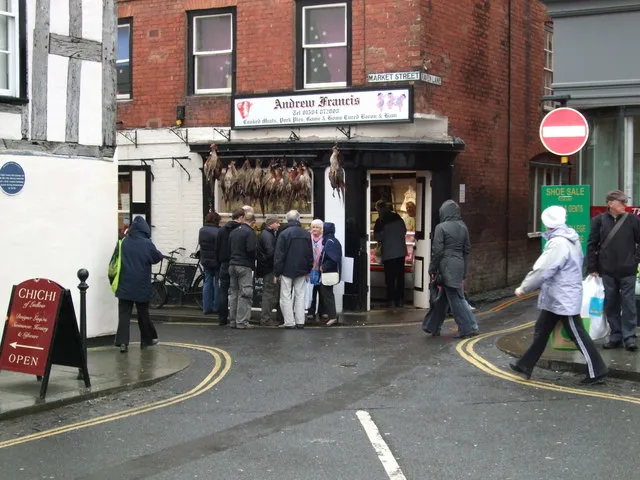
When immigrant butchers from Europe and Latin America set up shop in early 20th century American cities, they brought along an entirely different philosophy about how an animal should be broken down — one that produced richer, more flavorful cuts that mainstream meat counters dismissed as scraps. Decades later, those same cuts are quietly showing up in specialty shops and restaurant menus, and chefs can't get enough of them. The story of what got left behind at the American meat counter is tasti
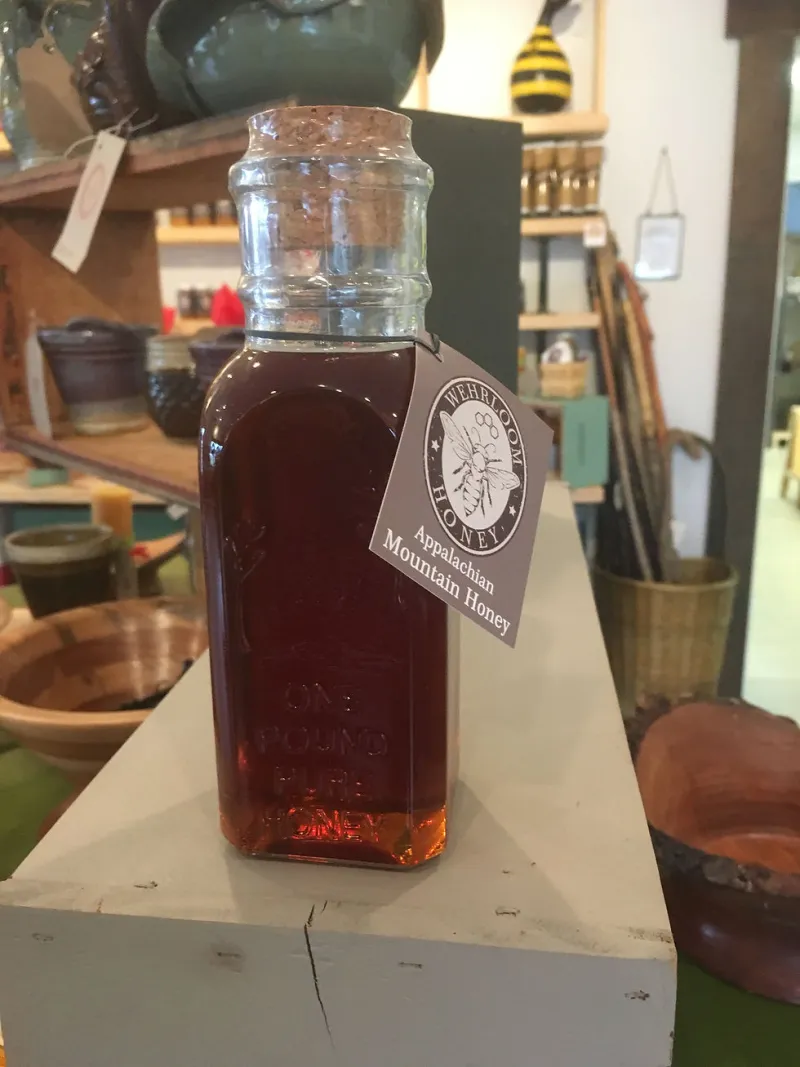
Most Americans have tasted clover honey, wildflower honey, and maybe even manuka if they've been paying attention to wellness trends. But there's a honey produced in a narrow band of Appalachian mountain forests that seasoned beekeepers call the finest in the country — possibly the continent — and almost nobody outside the region has ever tasted it. Sourwood honey is real, it's extraordinary, and its story is one of the most quietly remarkable in American food.
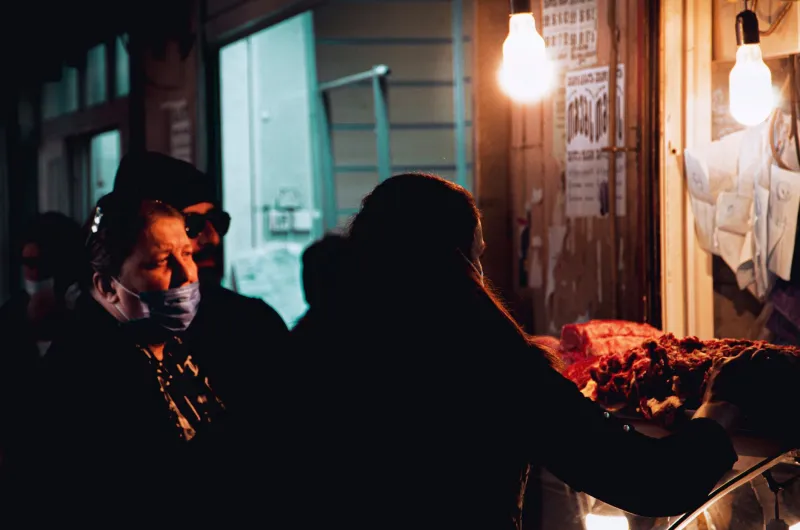
When immigrant butchers from Europe and Latin America set up shop in American cities, they brought with them a completely different map of the animal — one that turned what mainstream American meatpacking dismissed as offcuts and trim into some of the most flavorful steaks you can buy today. The flat iron, the bavette, the secreto: these cuts didn't come from a corporate test kitchen. They came from a neighborhood counter where a butcher from another country looked at American beef and saw somet
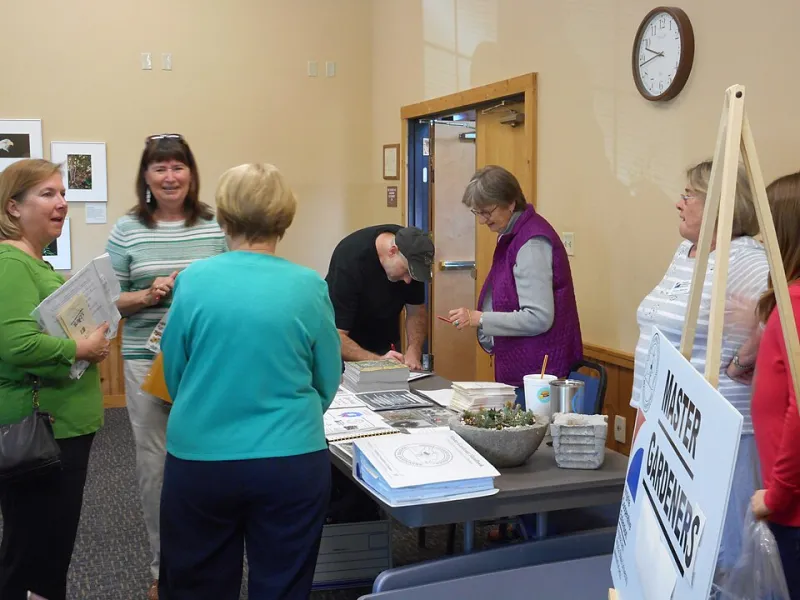
Decades before heirloom tomatoes became a farmers market buzzword, ordinary American families were quietly hiding rare vegetable seeds in coat linings, root cellars, and plain postal envelopes — keeping alive plant varieties that official agriculture had essentially declared dead. These weren't scientists or activists. They were grandmothers, subsistence farmers, and immigrant gardeners who simply refused to let go. And because of them, some of those "extinct" vegetables are showing up on restau
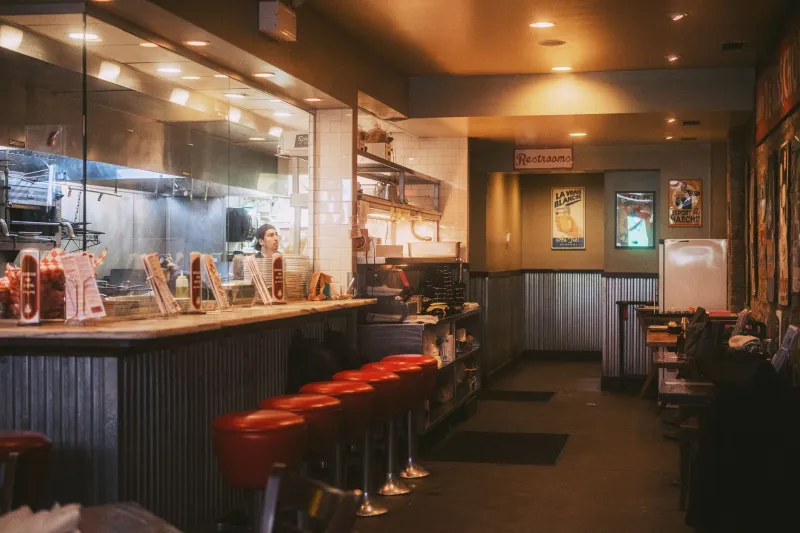
Before flavor scientists filled corporate labs, small-town lunch counter operators were doing something far more interesting — accidentally inventing America's most beloved tastes. Working with syrups, extracts, and pure curiosity, these unsung tinkerers built flavor profiles that billion-dollar brands would eventually chase. The story of how American taste was born behind a humble counter is stranger — and more delicious — than you'd expect.
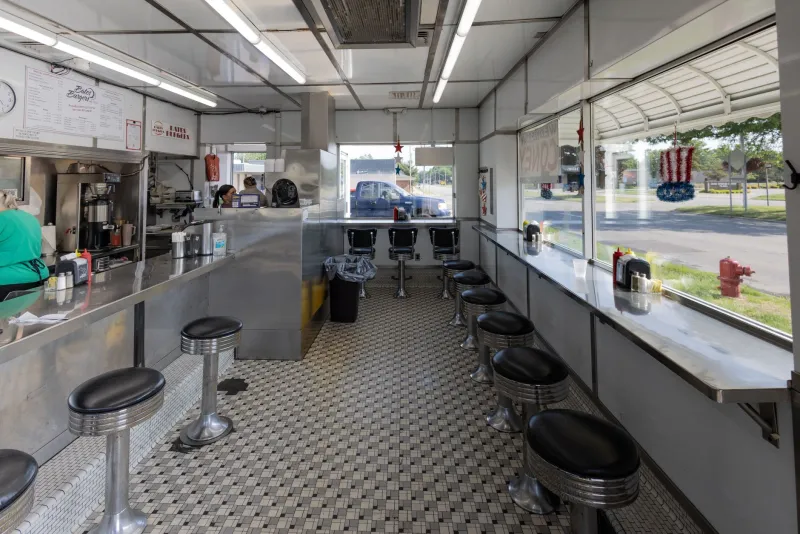
Before kitchen display screens and digital tickets, short-order cooks ran chaotic American lunch counters through a brilliantly strange spoken code — 'burn one,' 'axle grease,' 'two dots and a dash' — that was part efficiency system, part performance art. It worked beautifully for over a hundred years. Then corporate fast food quietly killed it.
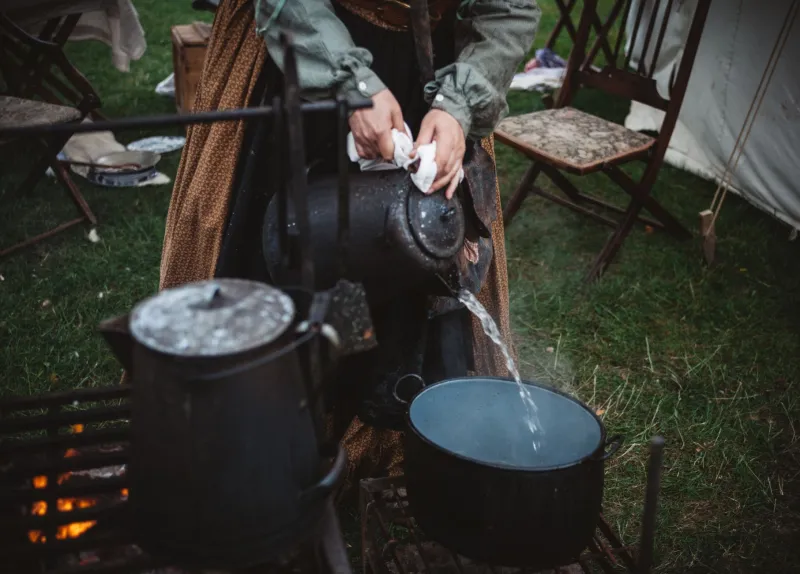
Long before electrolyte packets existed, westward settlers were surviving brutal overland crossings on a tangy, fermented corn beverage passed down from Indigenous communities. Trail guides swore by it. History books ignored it entirely. The science behind it turns out to be surprisingly solid.
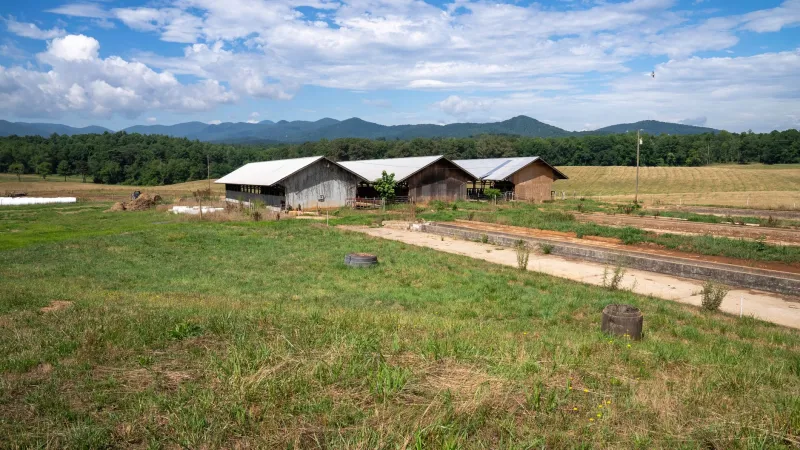
In rural Appalachia, the Ozarks, and across the deep South, it was overwhelmingly women who ran the smokehouse — choosing the wood, timing the smoke, perfecting the salt cures that fed families through hard winters. The men sold the product at market. History remembered the men. This is the other half of the story.
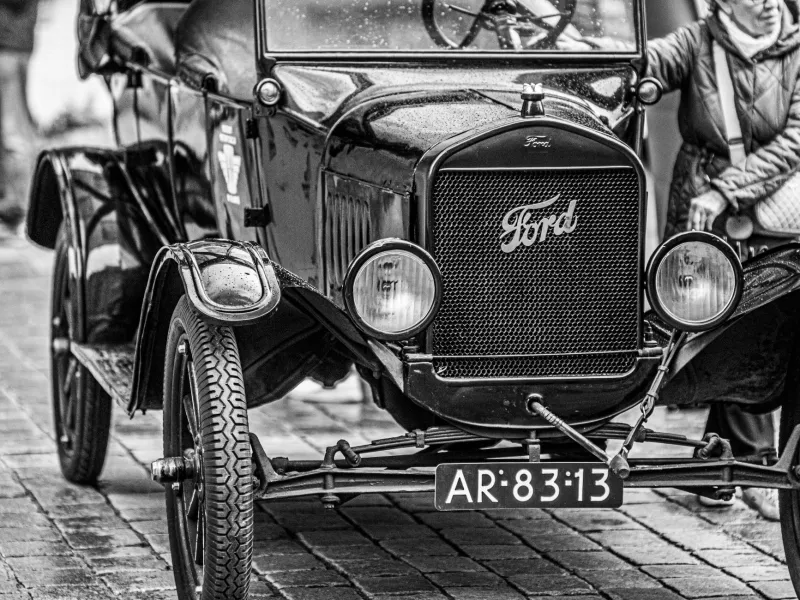
Long before supermarkets existed, traveling spice salesmen carried satchels of vanilla, cinnamon, and exotic extracts to isolated farm communities across America. These forgotten merchants accidentally created the shared flavor vocabulary that still defines American baking today.
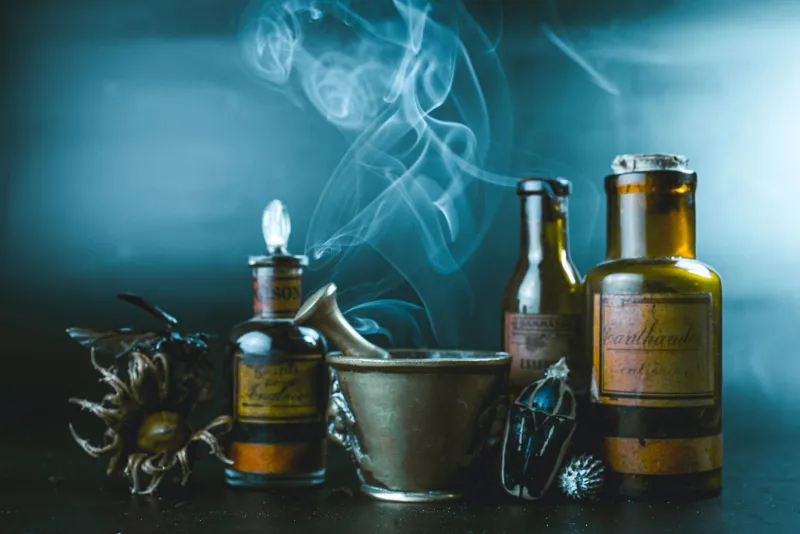
Before Prohibition destroyed thousands of small operations, American pharmacists doubled as brewers, creating low-alcohol medicinal beers with herbs and botanicals that were prescribed like medicine. These forgotten recipes represented sophisticated folk medicine that modern craft brewers are quietly reviving.
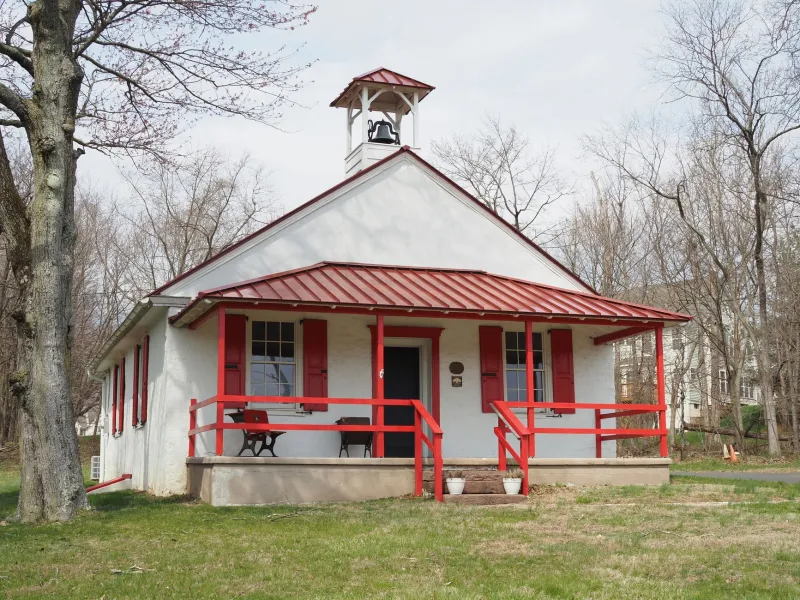
When rural families packed whatever they could afford into their children's lunch pails, they accidentally created the flavor combinations that define American comfort food today. These forgotten schoolyard meals tell the real story of how regional cooking was born.
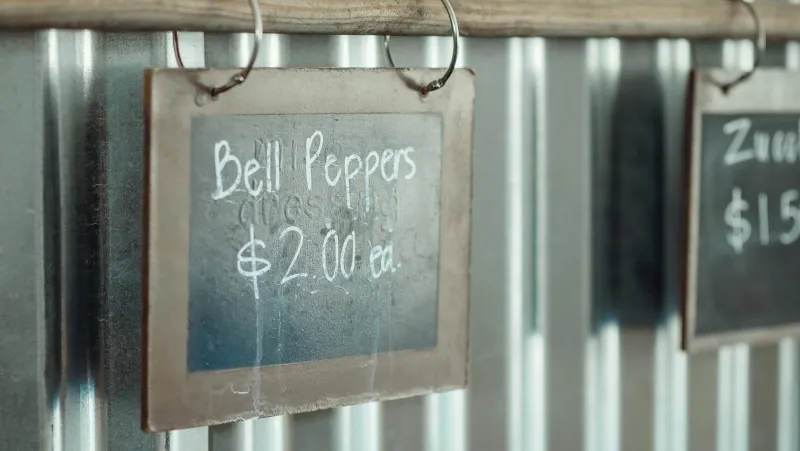
Before GPS and online reviews, experienced drivers navigated America's back roads using a visual code system passed down through generations. Flag colors, sign styles, and basket arrangements told you everything about quality and price before you even slowed down.
Long before food stamps and official assistance programs, immigrant-run neighborhood kitchens operated on a simple principle: if you were hungry, you got fed. These informal community institutions fed thousands of American workers with radical generosity — until bureaucracy replaced humanity.
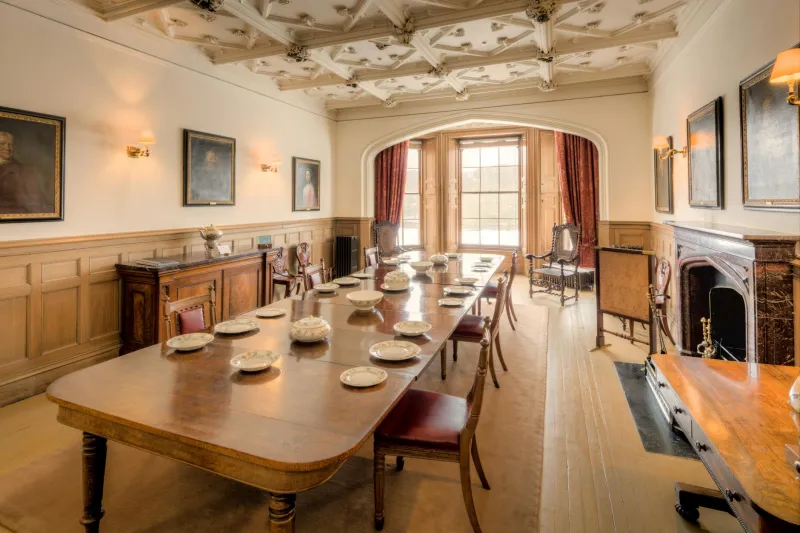
For over a century, millions of American workers ate every meal at boarding houses run by women whose names history forgot. But these landladies quietly invented fixed meal times, set menus, and communal dining rules that still shape how Americans eat today.
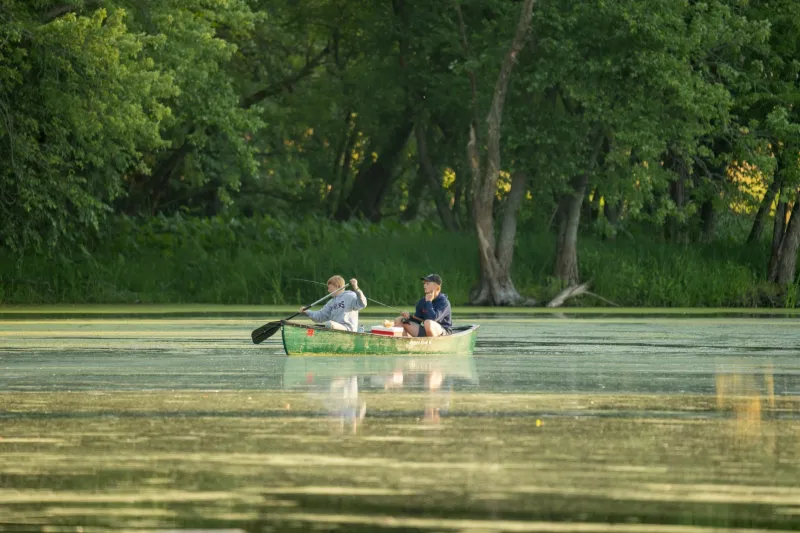
What we call "wild rice" isn't actually rice at all — it's an ancient aquatic grass that once fed entire Indigenous civilizations across the northern United States. This nutritional powerhouse is quietly making a comeback, hidden in plain sight on specialty store shelves.
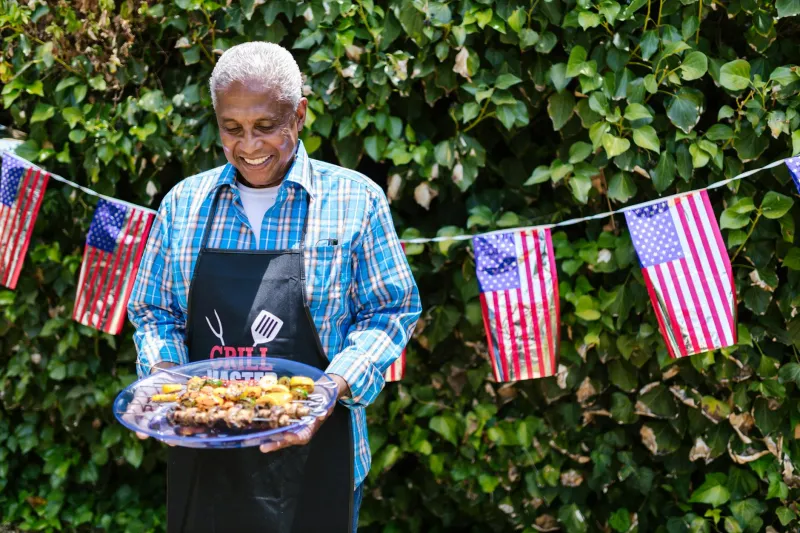
Across small-town America, certain church fundraiser cooks possessed barbecue sauce recipes that existed nowhere else — not in cookbooks, not online, just in their memory and their apron pockets. When they're gone, so are the recipes.

Every Chinese takeout order once came with a handful of mystery condiment packets that varied wildly from restaurant to restaurant. These weren't just random sauces — they were edible signatures that revealed each family's heritage and regional roots.
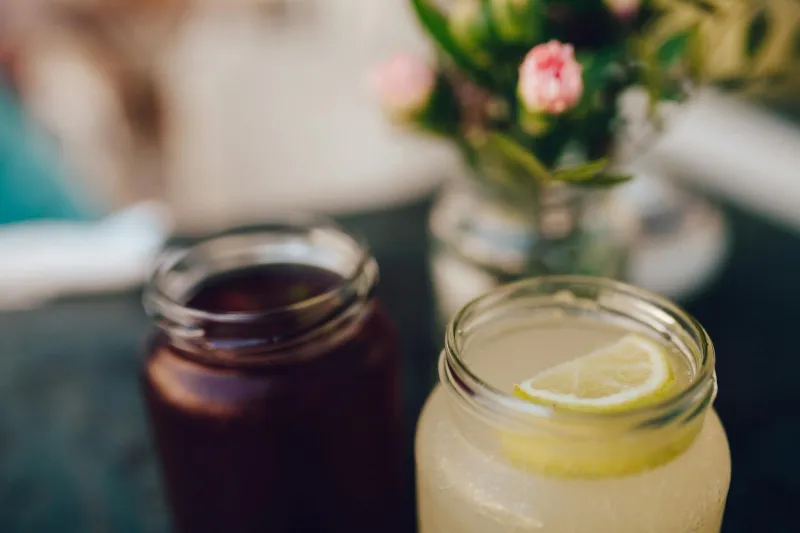
Rural farmworkers survived brutal summer harvests using a simple homemade drink that combined water, salt, molasses, and vinegar. Modern science confirms their folk wisdom was remarkably accurate.
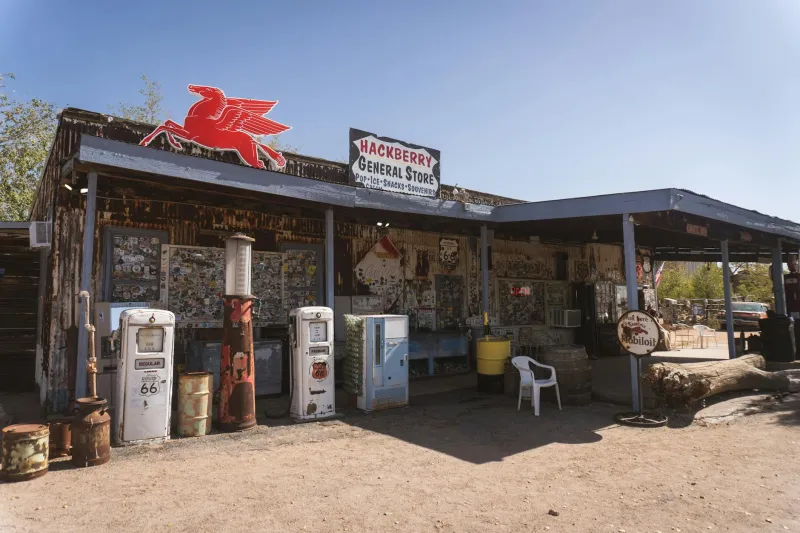
Long before chain restaurants lined American highways, a network of family tamale vendors quietly served travelers along Mississippi's Highway 61. Their story reveals an unexpected fusion of cultures in the Deep South.
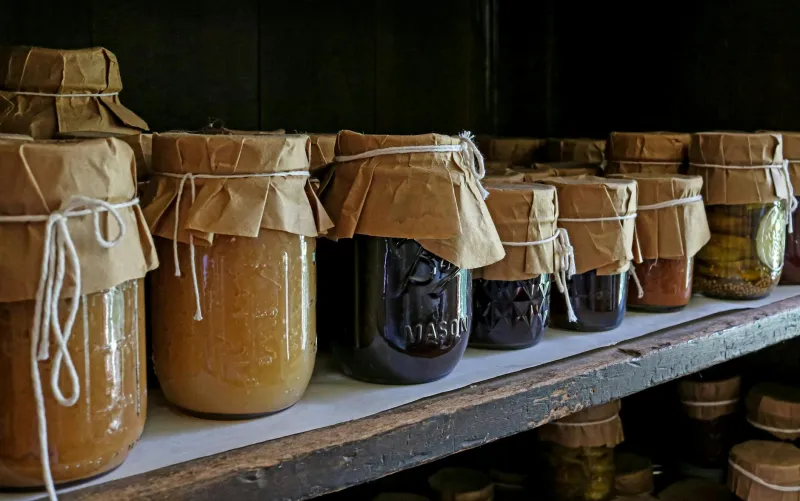
For over a century, chow-chow relish was as common as salt and pepper on American tables. This tangy, chunky condiment disappeared so quietly that most people don't even remember it existed.
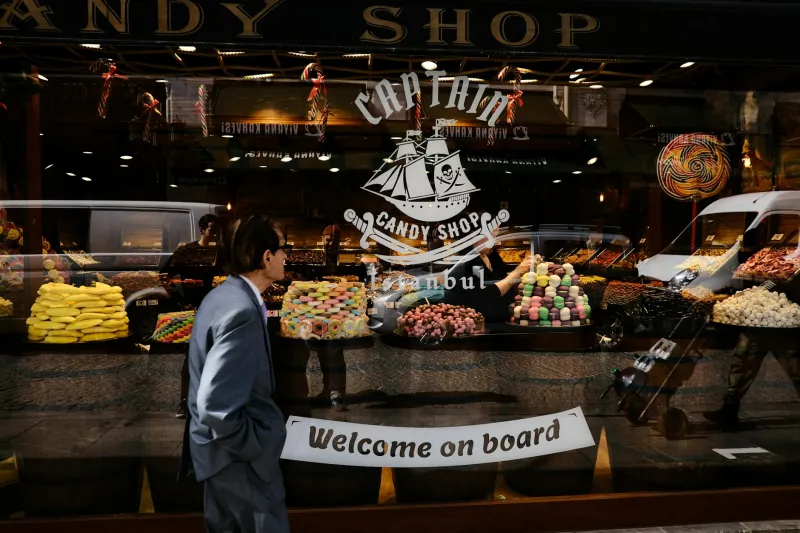
Long before Hershey's and Mars dominated candy aisles, immigrant confectioners in small urban shops were quietly introducing Americans to flavors that would reshape the national palate. Their innovations disappeared into corporate history, but their influence lingers in every snack we eat.
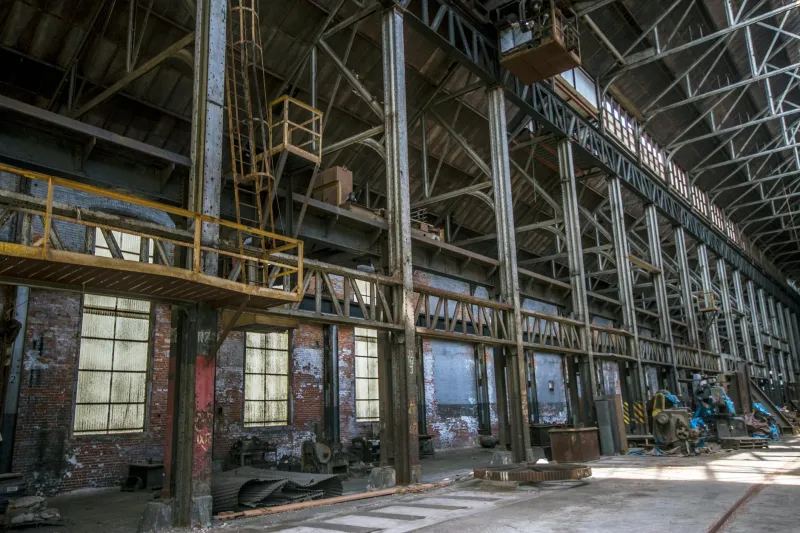
Long before Instagram meal prep became a lifestyle, immigrant steelworkers in America's industrial heartland were designing lunches that could survive 12-hour shifts in brutal conditions. Their forgotten food engineering was decades ahead of its time.
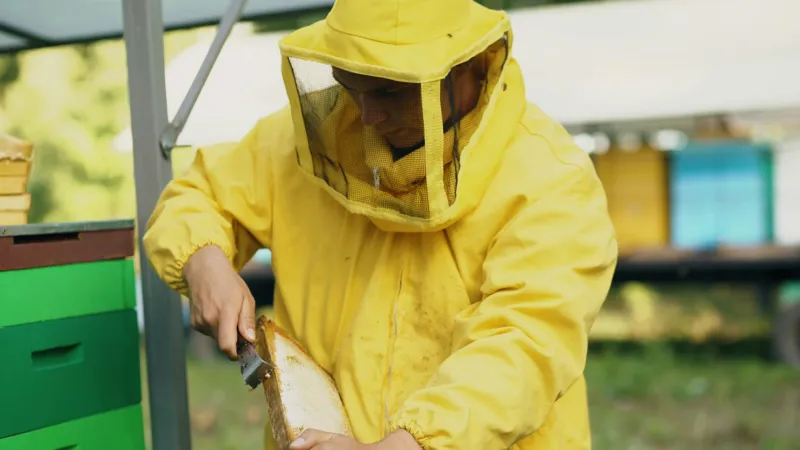
Before roads reached the remote hollows, Appalachian beekeepers operated a sophisticated honey economy that functioned as bank, grocery store, and pharmacy rolled into one. This sweet network kept mountain communities alive through the harshest winters.
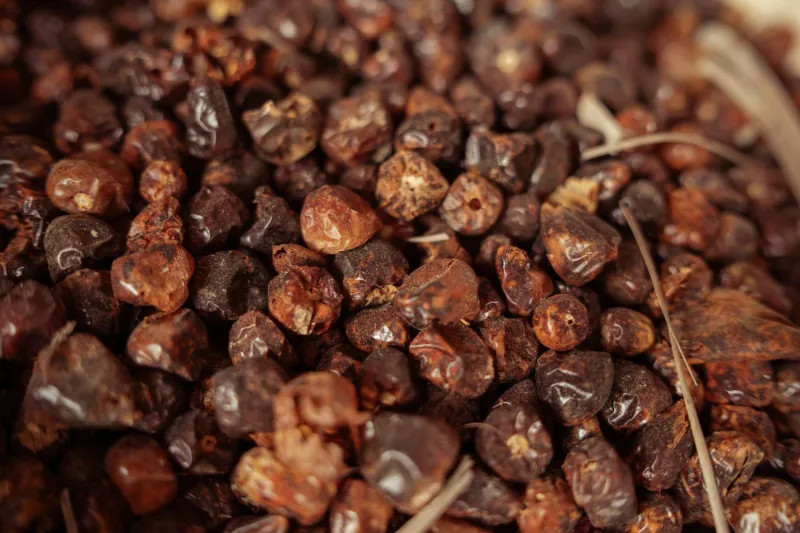
For nearly 200 years, a pungent citrusy spice harvested from Southern swamplands was America's most essential flavoring. Then global trade routes opened up, and this indigenous treasure vanished from every cookbook.
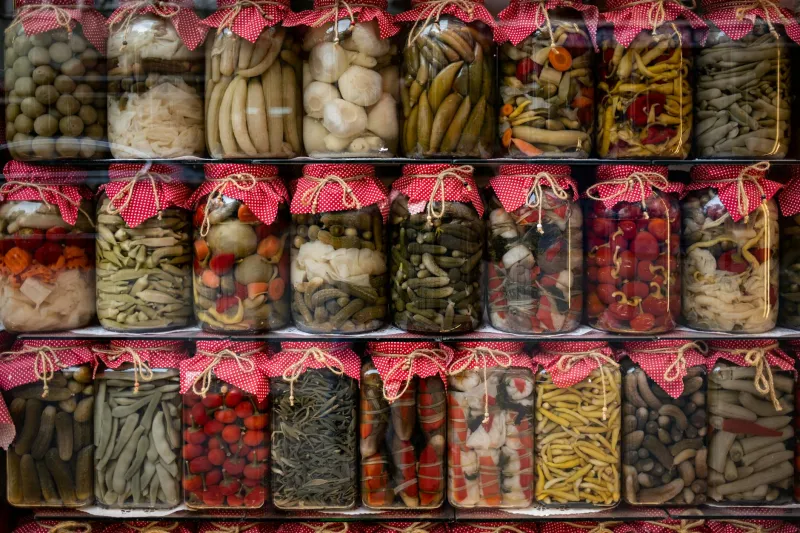
Deep in Appalachian coal mines, workers survived brutal shifts with a homemade fermented drink that modern science proves was more effective than today's electrolyte solutions. Here's the forgotten recipe that kept America's underground workforce alive.
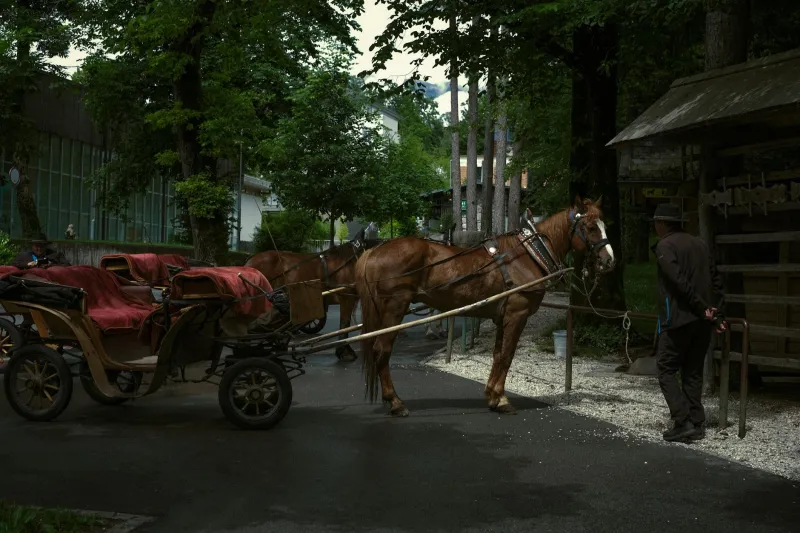
Long before drive-throughs and delivery apps, horse-drawn lunch wagons with tiny service windows revolutionized how Americans thought about grabbing food. This forgotten innovation shaped our entire takeout culture.
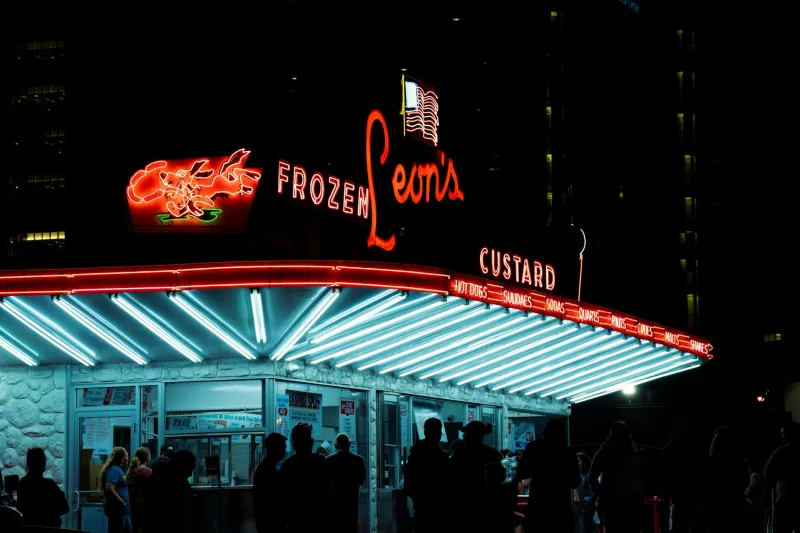
Decades before food critics and trend forecasters existed, volunteer county fair judges across rural America were documenting which flavors and techniques would shape the nation's palate. Their forgotten scorecards reveal surprising insights about American taste that food historians are only now discovering.
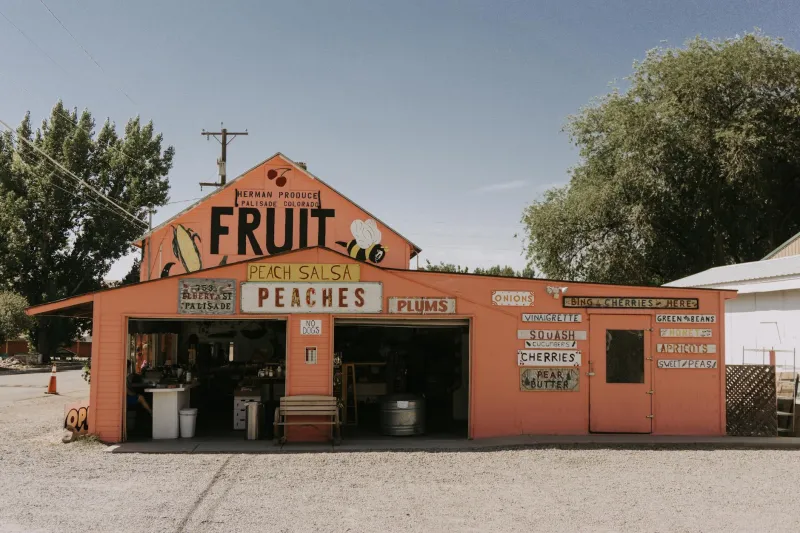
Before Whole Foods and farmers markets made local produce trendy, roadside stand operators along America's highways built a sophisticated shadow economy that moved millions of dollars in fresh food without leaving a paper trail. Their secrets reveal why the best produce never made it to grocery stores.
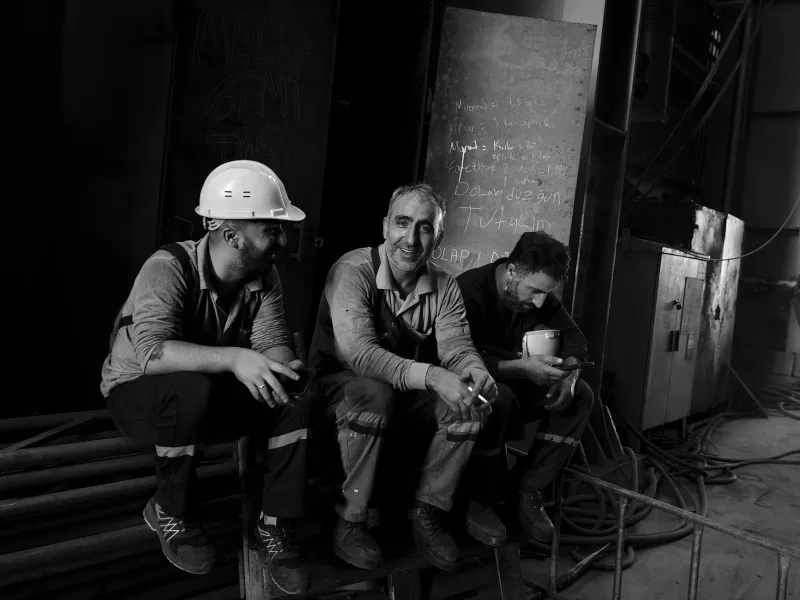
Long before food trucks and fusion restaurants existed, immigrant factory workers were quietly creating America's most diverse dining experiences in industrial lunch rooms. Their informal food trading networks introduced flavors that wouldn't hit mainstream restaurants for decades.
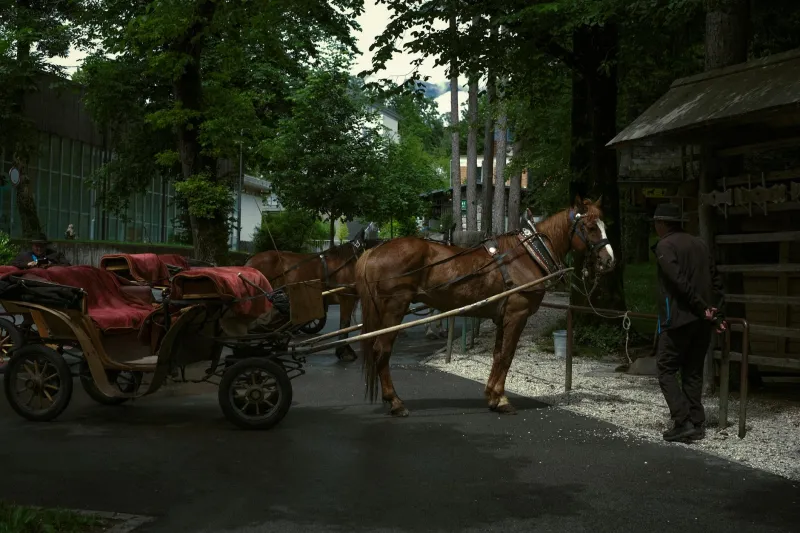
In 1870s Providence, horse-drawn lunch wagons quietly invented the template for American diner culture, serving hot meals to factory workers and night owls long before chrome-sided diners became an icon. These midnight kitchens on wheels created the blueprint for fast, affordable dining that we still recognize today.
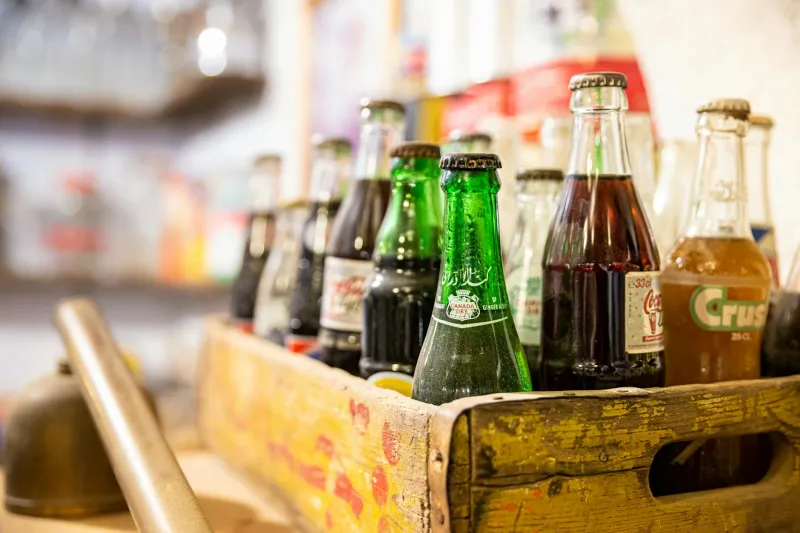
While Coca-Cola conquered the world, dozens of small American towns quietly developed their own signature sodas that never traveled beyond county lines. These hyper-local beverages tell the story of regional identity one fizzy sip at a time.

Before electric refrigeration, cutting and shipping natural ice from New England lakes created one of America's most profitable industries. Ice barons shipped their frozen cargo as far as India and built massive fortunes — until artificial refrigeration arrived and erased an entire empire in a single generation.
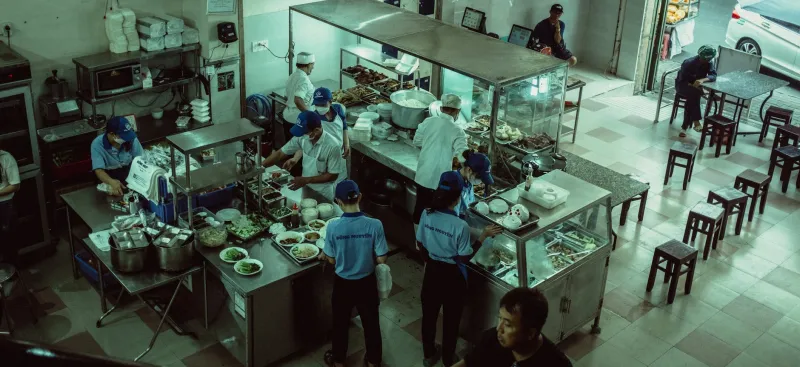
Before fast food existed, dining car cooks performed daily miracles with tiny budgets and tinier kitchens. Their forgotten techniques revolutionized American eating habits while keeping passengers satisfied for days.
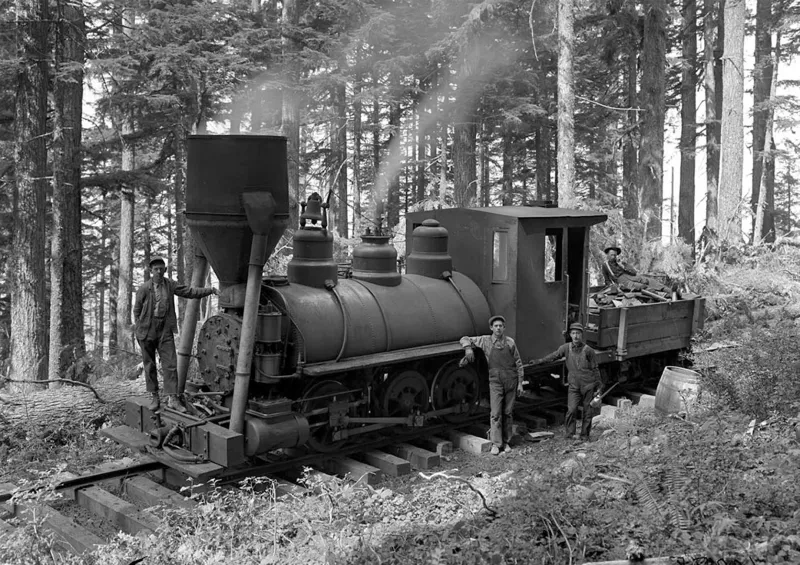
Deep in America's logging camps, cooks created a molasses-heavy hand cake that sustained workers through brutal 12-hour shifts. This forgotten superfood is now catching the attention of modern nutrition scientists.
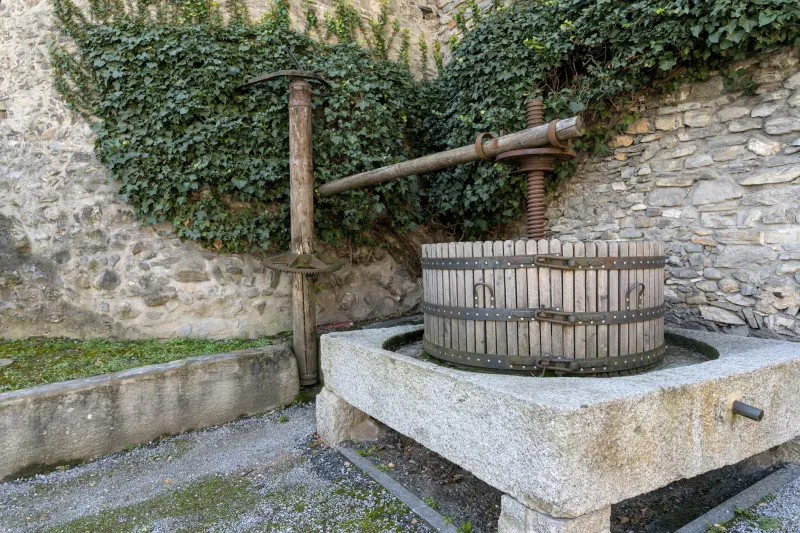
Long before cryptocurrency, frontier settlers created their own tradeable currency from pressed cheese. This forgotten dairy revolution sustained entire Midwest communities until mass production changed everything.
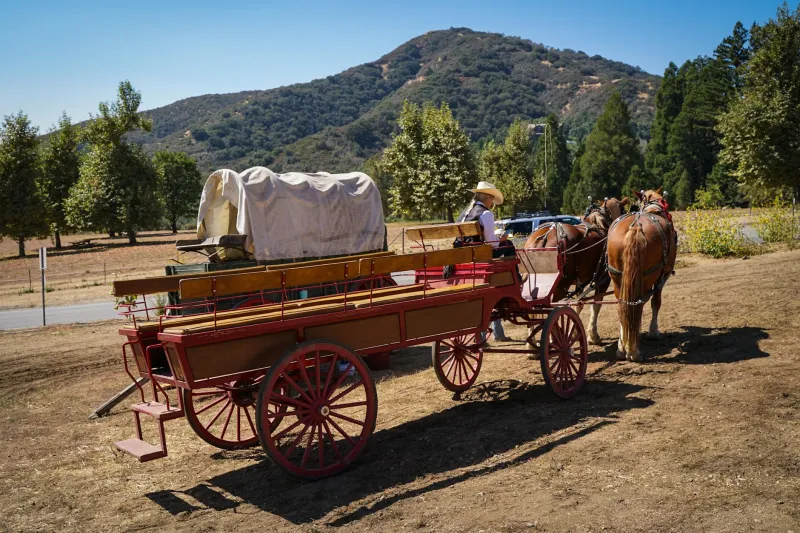
Decades before food trucks became hip urban fixtures, horse-drawn lunch wagons were rolling through factory districts at midnight, serving hot meals to workers nobody else bothered to feed. These mobile kitchens didn't just fill stomachs — they created America's first late-night food culture.
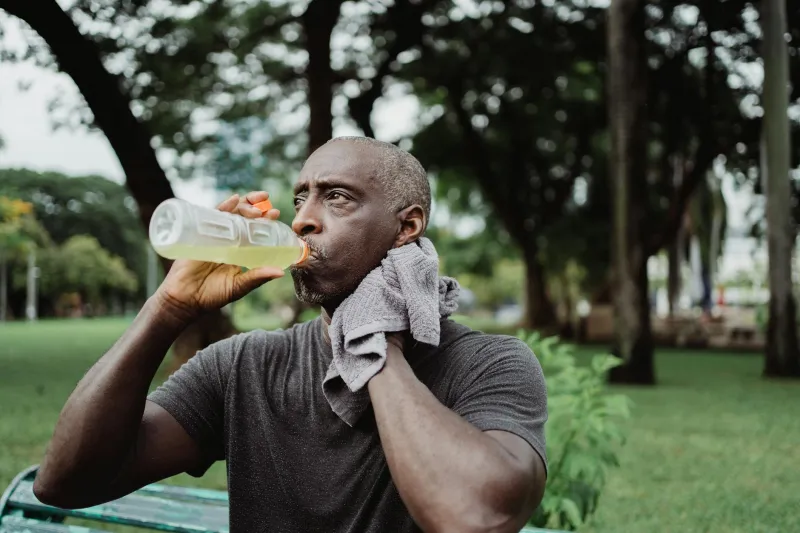
Long before Gatorade hit the shelves, athletes and laborers were mixing their own hydration formulas from vinegar, salt, and molasses — ingredients any kitchen had on hand. Modern nutritionists are quietly admitting these old-school recipes weren't just folk wisdom — they were surprisingly sophisticated.
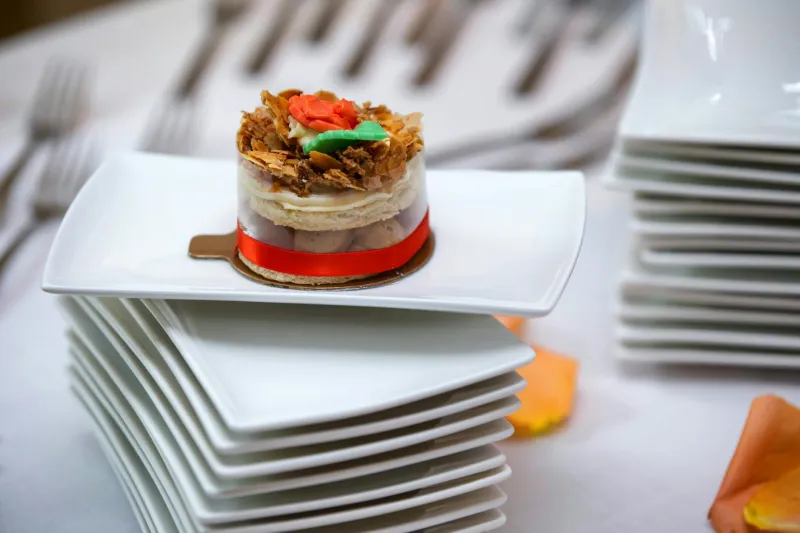
In Appalachian mountains, wedding guests didn't bring gifts — they each brought a single cake layer, and the height of the final stack told everyone exactly how beloved the couple was. This edible tradition turned community support into something you could literally measure.
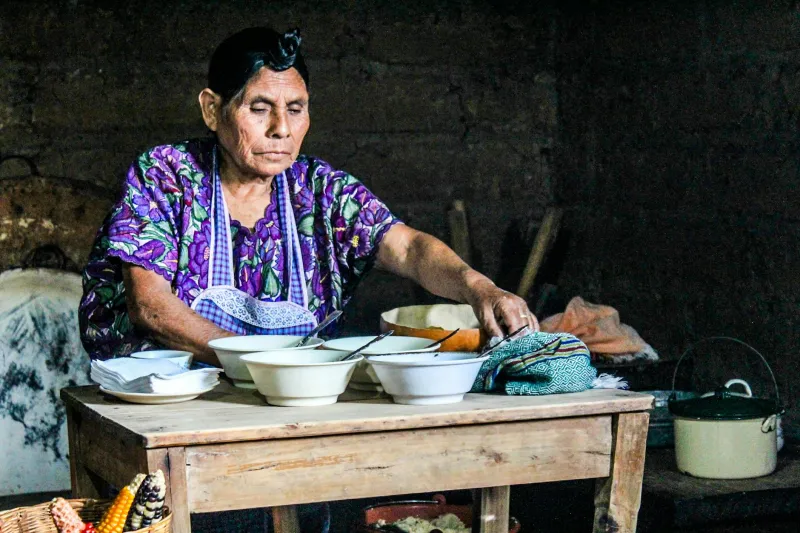
As Taco Bell and Chi-Chi's convinced America that Mexican food meant hard shells and yellow cheese, a quiet network of home cooks preserved the complex regional traditions that never made it onto restaurant menus. These unsung guardians kept alive techniques like 20-ingredient moles and ancient masa fermentation—knowledge that food researchers are now racing to document before it disappears forever.
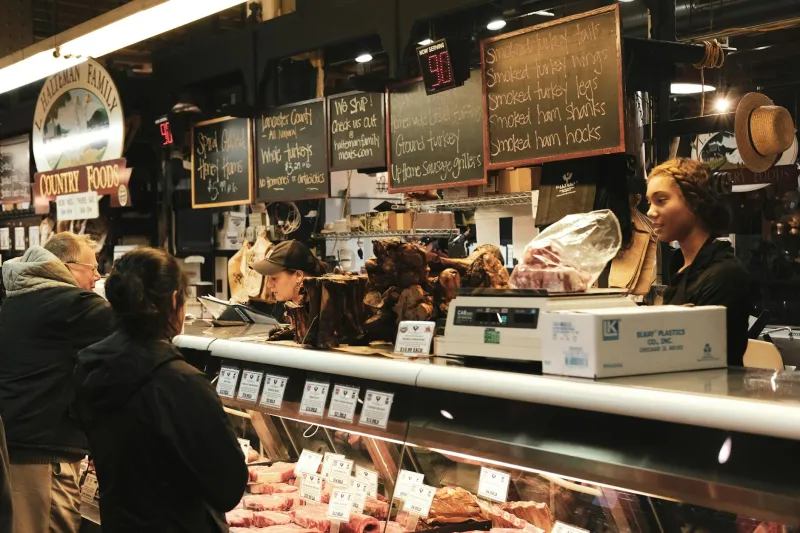
Scattered across the back roads of Louisiana, Mississippi, and Alabama, gas stations have been quietly serving food that puts most dedicated restaurants to shame. From hand-made boudin to perfectly smoked ribs, these unlikely culinary destinations filled a gap left by the absence of formal dining options—and accidentally created some of America's most honest food culture.
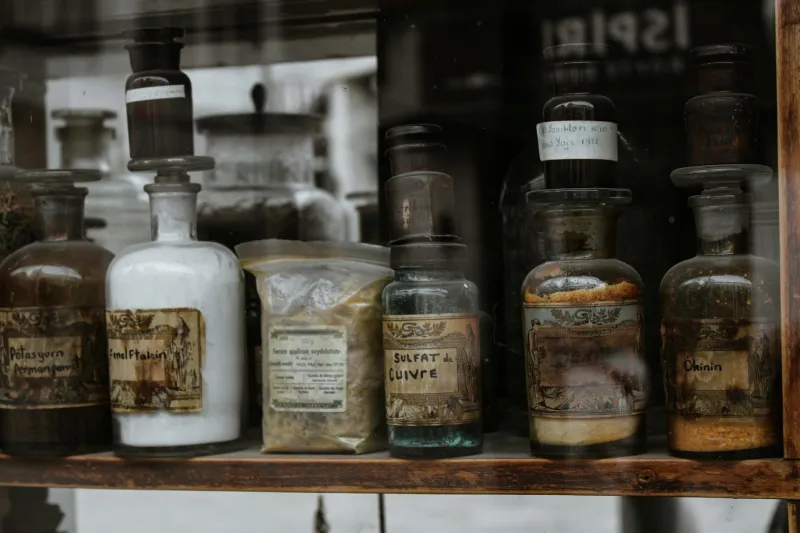
Long before corporate spice giants standardized American flavor, New England's merchant sailors and small-town apothecaries created an underground network that brought cardamom, sumac, and dozens of exotic spices directly from their sources to neighborhood kitchens. This forgotten economy made ordinary cooks into culinary adventurers—until mass production flattened everything.
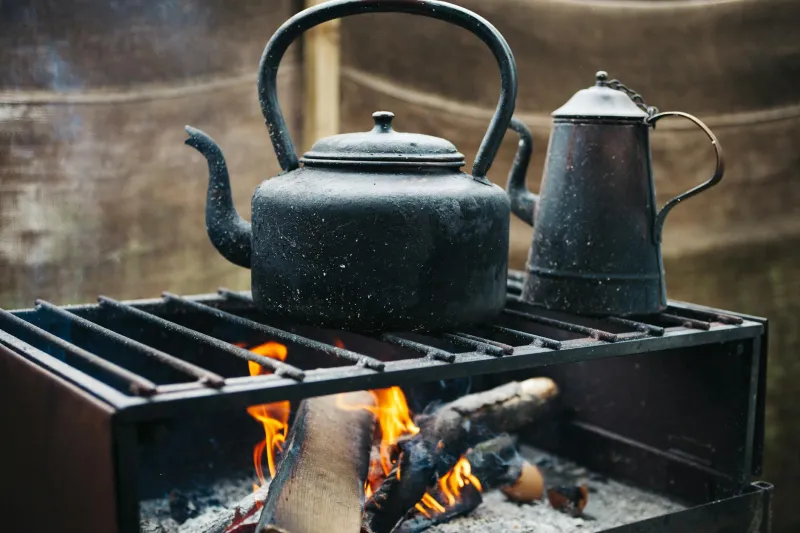
Decades before 'potluck' entered the American vocabulary, Midwestern farming communities perfected a communal cooking system that turned harvest surplus into elaborate shared meals. This forgotten tradition of community kettle cooking reveals how rural America solved food waste and built social bonds simultaneously.
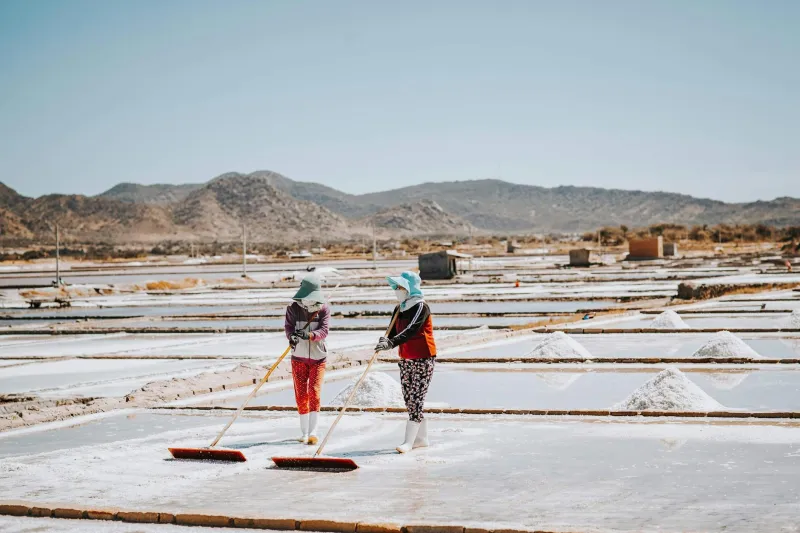
While coastal salt operations dominated American commerce, inland desert springs produced mineral-rich varieties with flavor profiles that make today's gourmet salts seem simple. These forgotten salt sources reveal a hidden chapter where geology, Indigenous knowledge, and culinary sophistication intersected.
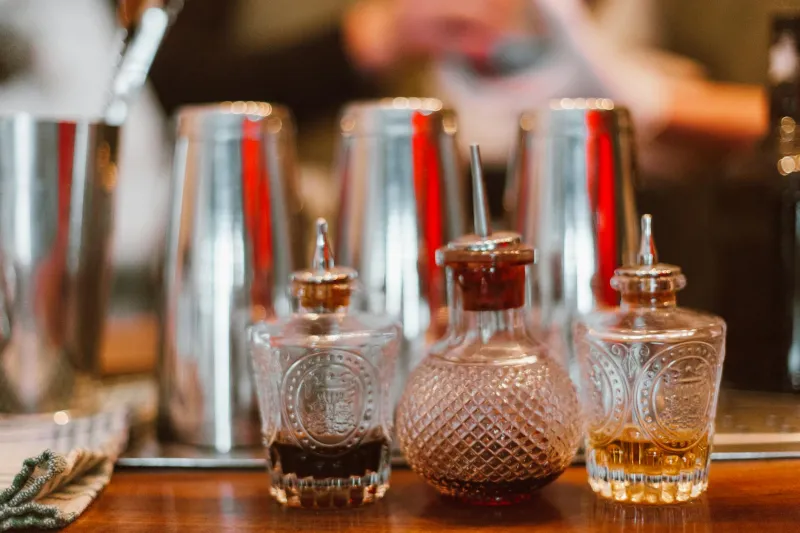
Long before corporate labs dominated the beverage industry, neighborhood pharmacists were mixing medicinal tonics with soda water, accidentally inventing flavor profiles that still define American taste. These forgotten pioneers shaped our collective palate without ever filing a patent.
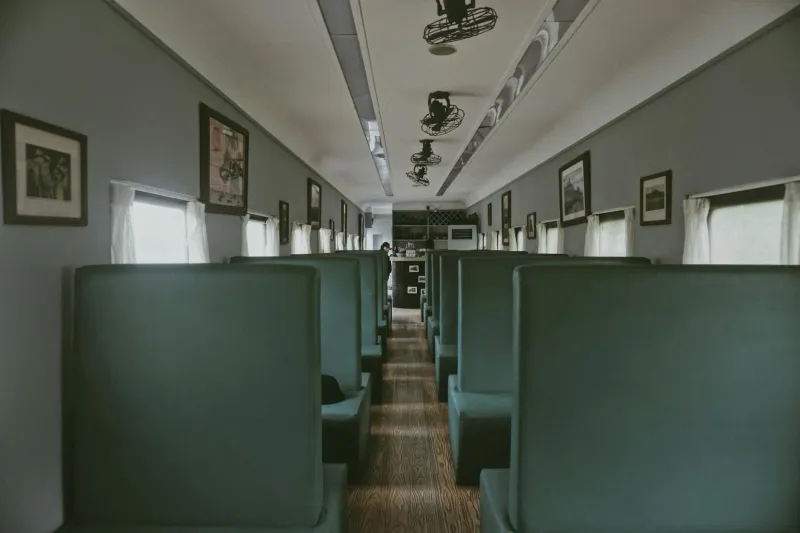
Long before McDonald's served its first burger, Harvey House lunch counters along railroad lines were perfecting the art of quick, standardized meals. These forgotten dining rooms didn't just feed hungry travelers — they rewrote the rules of American eating.
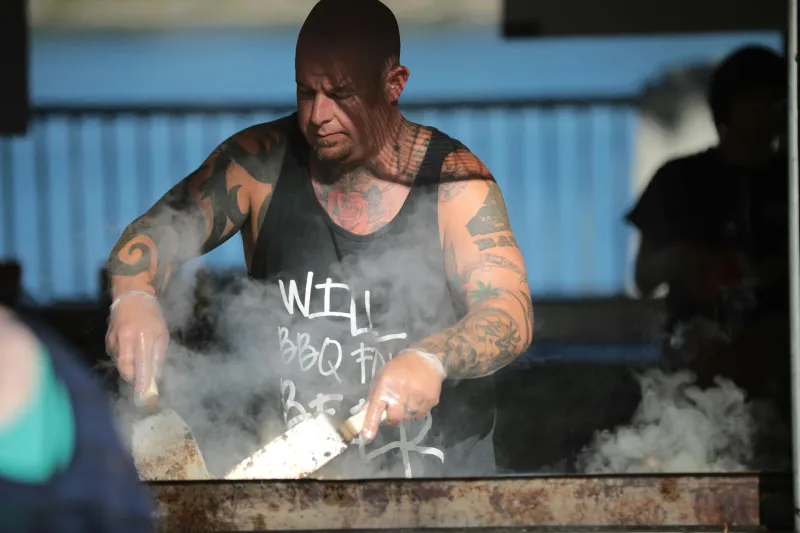
Forget Yelp reviews and health department ratings. The most legendary barbecue in America happens in church parking lots, backyard trailers, and roadside setups that exist only on weekends. Here's why the best pit masters never wanted a restaurant in the first place.
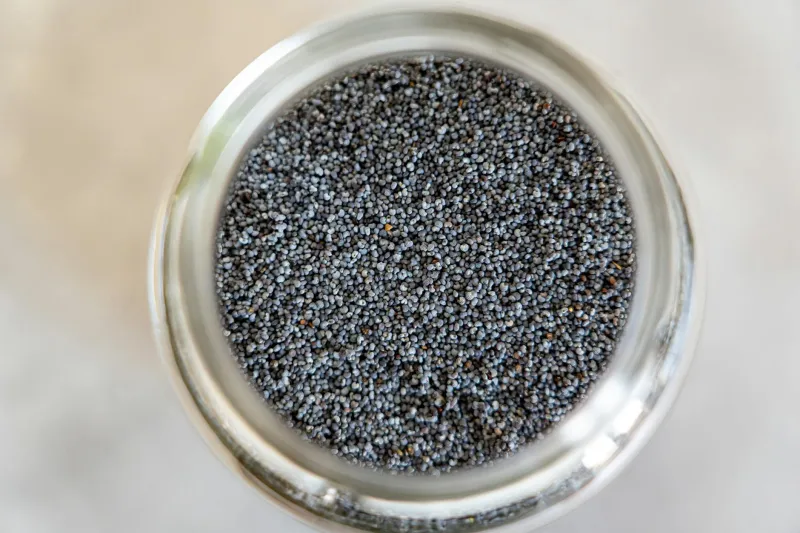
While big agriculture focuses on a handful of profitable crops, a quiet network of seed savers in Appalachian communities is preserving vegetable varieties that exist nowhere else on Earth. Their mission? Keeping flavors alive that most Americans will never taste.
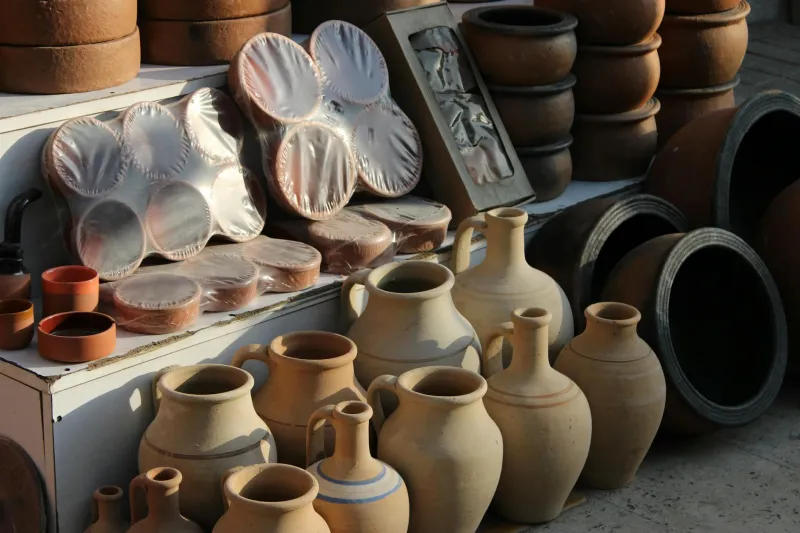
Before electric refrigerators transformed American kitchens, farm families relied on an ingenious clay pot cooling system that used nothing but water, salt, and physics. This forgotten food preservation method worked so well that some off-grid communities are bringing it back today.
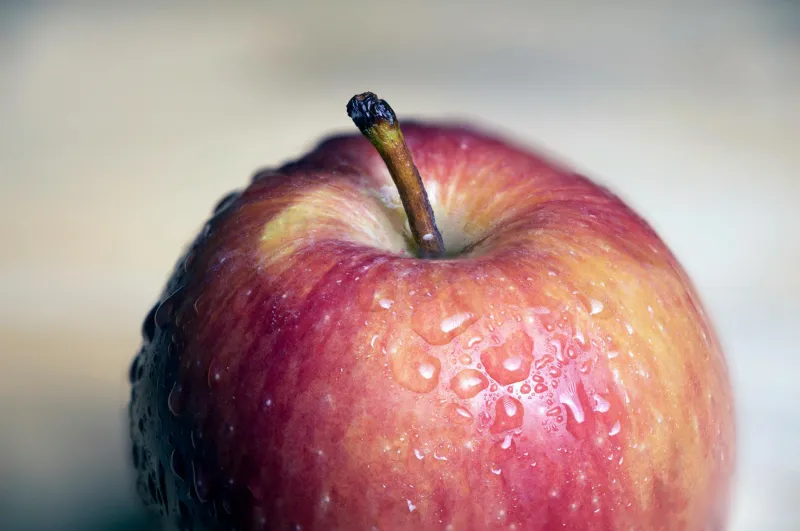
When Lewis and Clark ran low on supplies during their historic expedition, Indigenous peoples introduced them to a bumpy, brain-sized fruit that would become their lifeline. This nutritional powerhouse was so impressive that specimens were rushed to President Jefferson himself — yet within decades, it had vanished from American kitchens entirely.
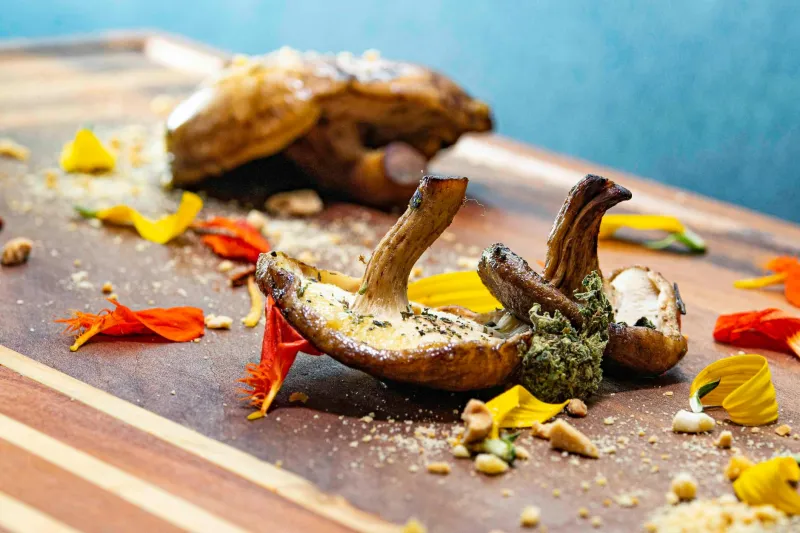
Before supermarkets existed, mountain traders created an invisible network that moved wild ramps, rare herbs, and foraged treasures across state lines. This forgotten flavor highway shaped regional cooking in ways that still influence Appalachian kitchens today.
Long before Worcestershire sauce became America's go-to umami kick, Harvey's Sauce was the bottle every diner, home cook, and restaurant kept within arm's reach. Then a single corporate decision made it disappear from shelves forever.
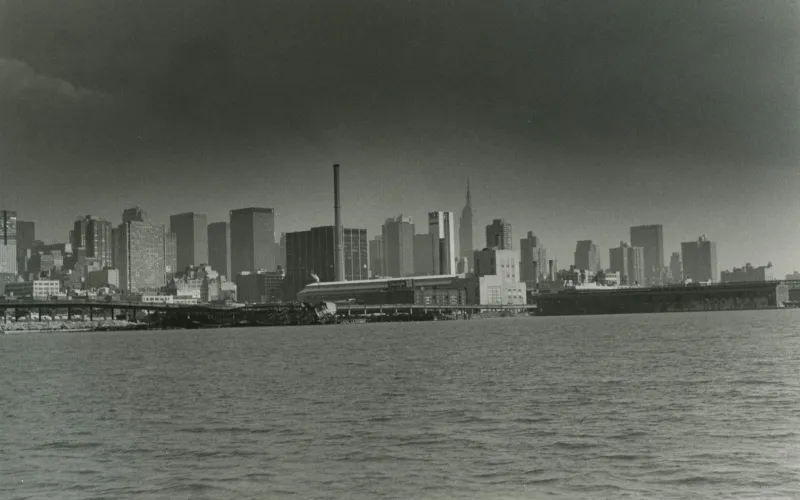
Long before McDonald's revolutionized fast food, gleaming automat halls with coin-operated compartments served hot meals to millions of American workers. These forgotten dining temples vanished almost overnight, leaving behind one of food history's most puzzling mysteries.
Decades before Rosa Parks and the Freedom Riders made headlines, a scattered network of humble eateries across the Jim Crow South was quietly serving integrated meals through kitchen doors and unmarked entrances. These forgotten pioneers of the plate changed American dining one secret sandwich at a time.
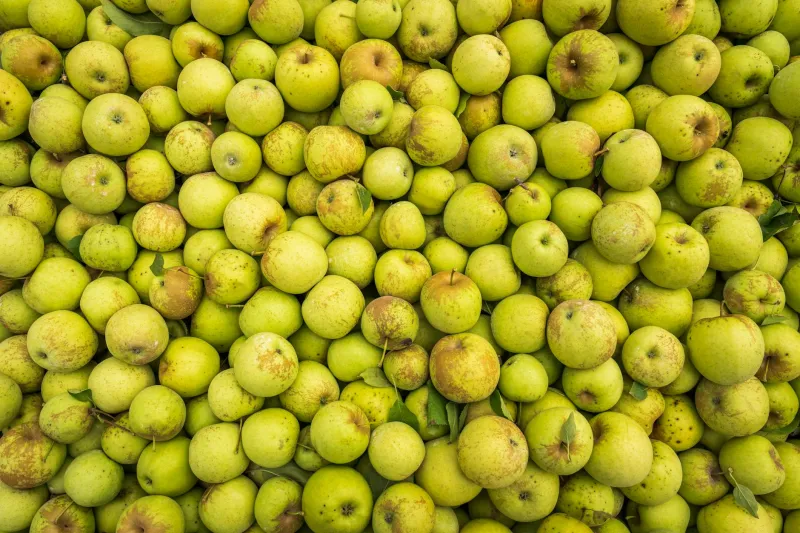
Long before acai bowls and goji berries, there was the pawpaw — a creamy, tropical-tasting fruit that fed entire frontier communities. Now, after nearly disappearing from American diets, this native treasure is quietly staging one of the most interesting comebacks in modern agriculture.
Decades before Starbucks existed, American settlers powered through grueling frontier days with a homemade concoction that sounds bizarre but worked like magic. This tangy, fizzy drink made from apple cider vinegar and molasses became the unofficial fuel of westward expansion — then vanished almost overnight.
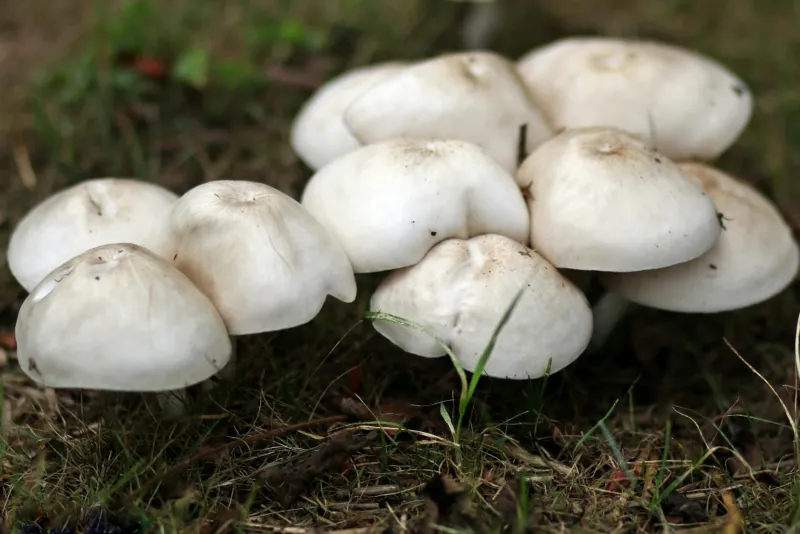
While Americans spend billions on superfoods from distant lands, one of the continent's most nutritious berries grows wild in backyards across the country. Indigenous communities have been harvesting this antioxidant powerhouse for over a thousand years — and modern science is finally catching up to their ancient wisdom.
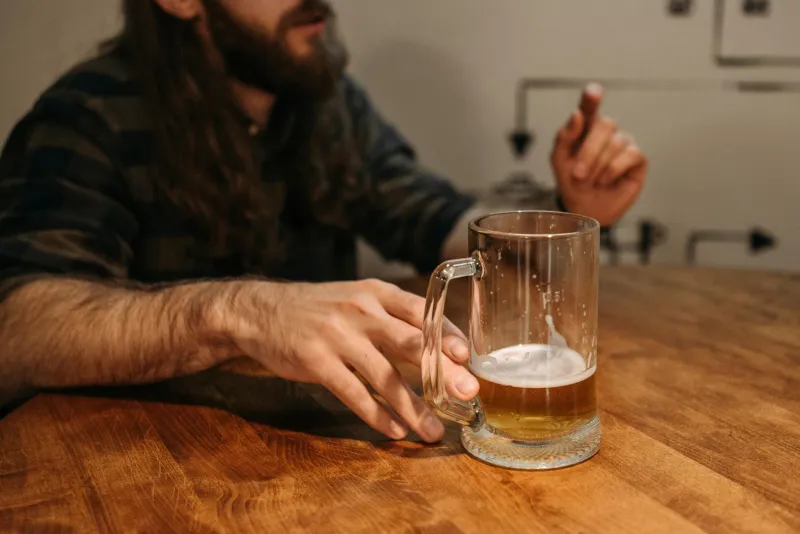
Long before Starbucks or even coffee became common, early American families started their day with a pint of weak beer. This wasn't about getting buzzed — it was about staying alive in an era when water could literally kill you.
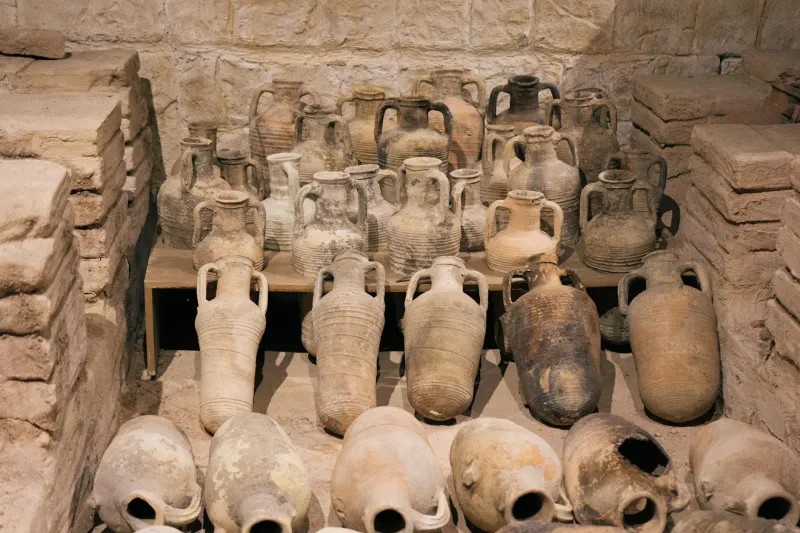
Centuries before European settlers arrived, Indigenous tribes across the Southwest were creating a fermented chili condiment so valuable it functioned as currency along vast trade routes. Recent archaeological discoveries are revealing how this forgotten sauce shaped early American commerce in ways historians never imagined.
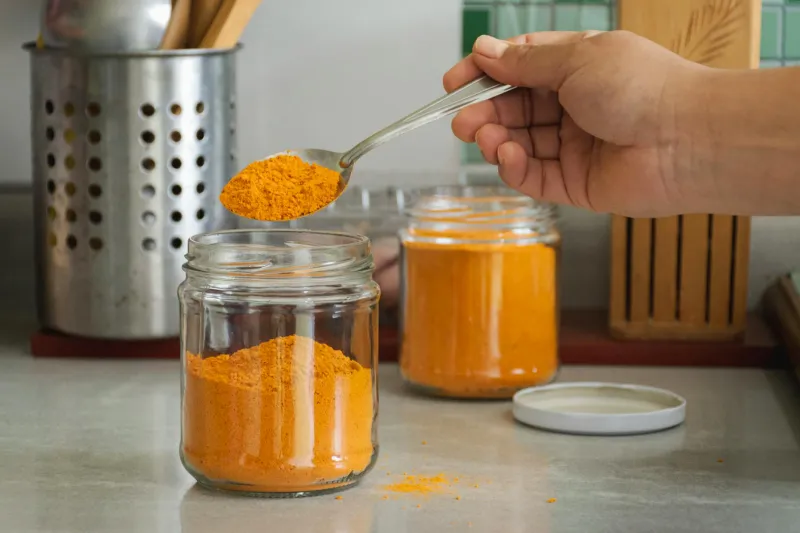
Before MSG became controversial and garlic powder ruled spice racks, American kitchens relied on a mysterious, sulfurous spice called asafoetida. Then it disappeared almost overnight, taking with it centuries of culinary wisdom.
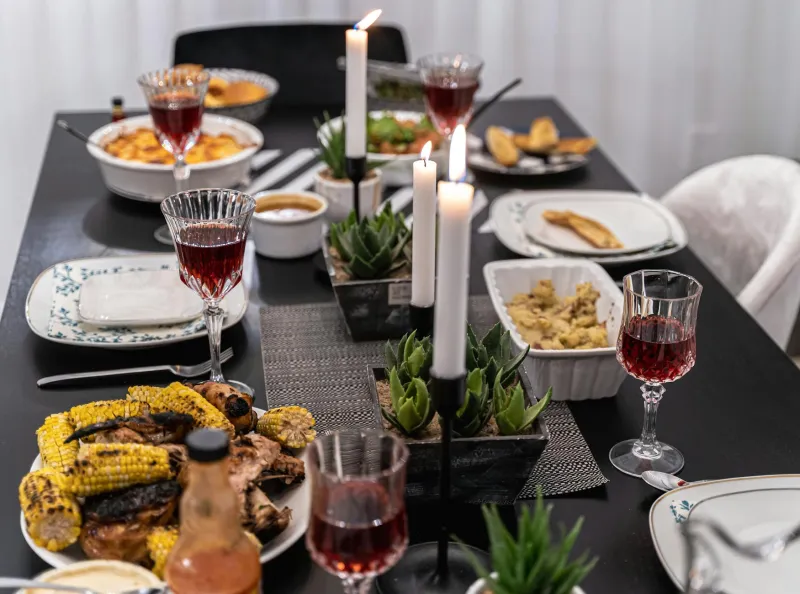
In apartments, backyards, and converted garages across America, a quiet movement of unlicensed dinner parties is serving some of the most creative food in the country. You won't find these places on any app. Getting a seat requires knowing the right person — or at least knowing how to ask. Here's what's actually going on inside.
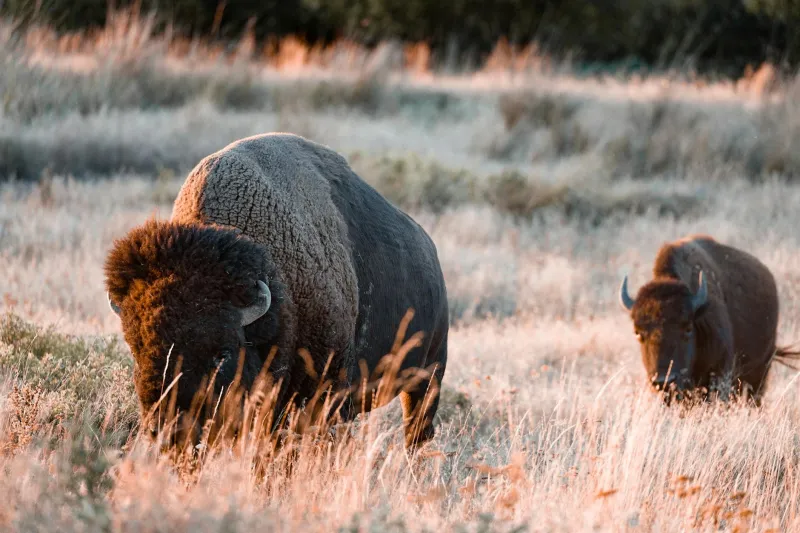
Pemmican — a dense, shelf-stable mixture of dried meat and rendered fat developed by Indigenous peoples of the Great Plains — kept explorers alive for months, influenced military ration design, and recently caught the attention of endurance athletes and survivalists. The science behind why it works so well is surprisingly sophisticated, and the story of how it traveled from tribal knowledge to Arctic expeditions is one food history doesn't talk about nearly enough.
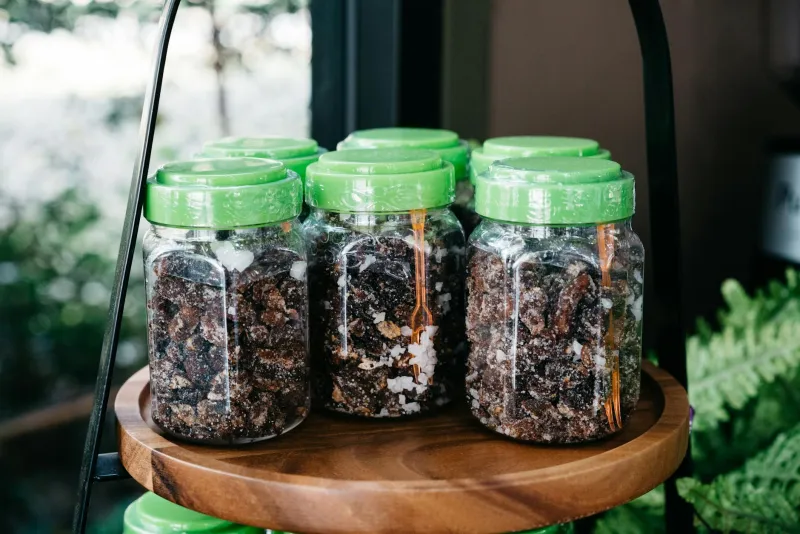
Long before the red stuff became a reflex, Americans were reaching for something far more complex — a dark, fermented walnut sauce that sat on tables from Boston to Charleston for well over a century. It wasn't just popular; it was considered essential. So where did it go, and why are a handful of obsessive home fermenters quietly bringing it back?

In the early 1900s, New York City's streets were a roving feast — thousands of pushcart vendors selling everything from hot sweet potatoes to pickled herring, feeding immigrant neighborhoods faster and cheaper than any restaurant could. Then, in 1938, a single city ordinance dismantled the whole thing. What got lost was more than just lunch.
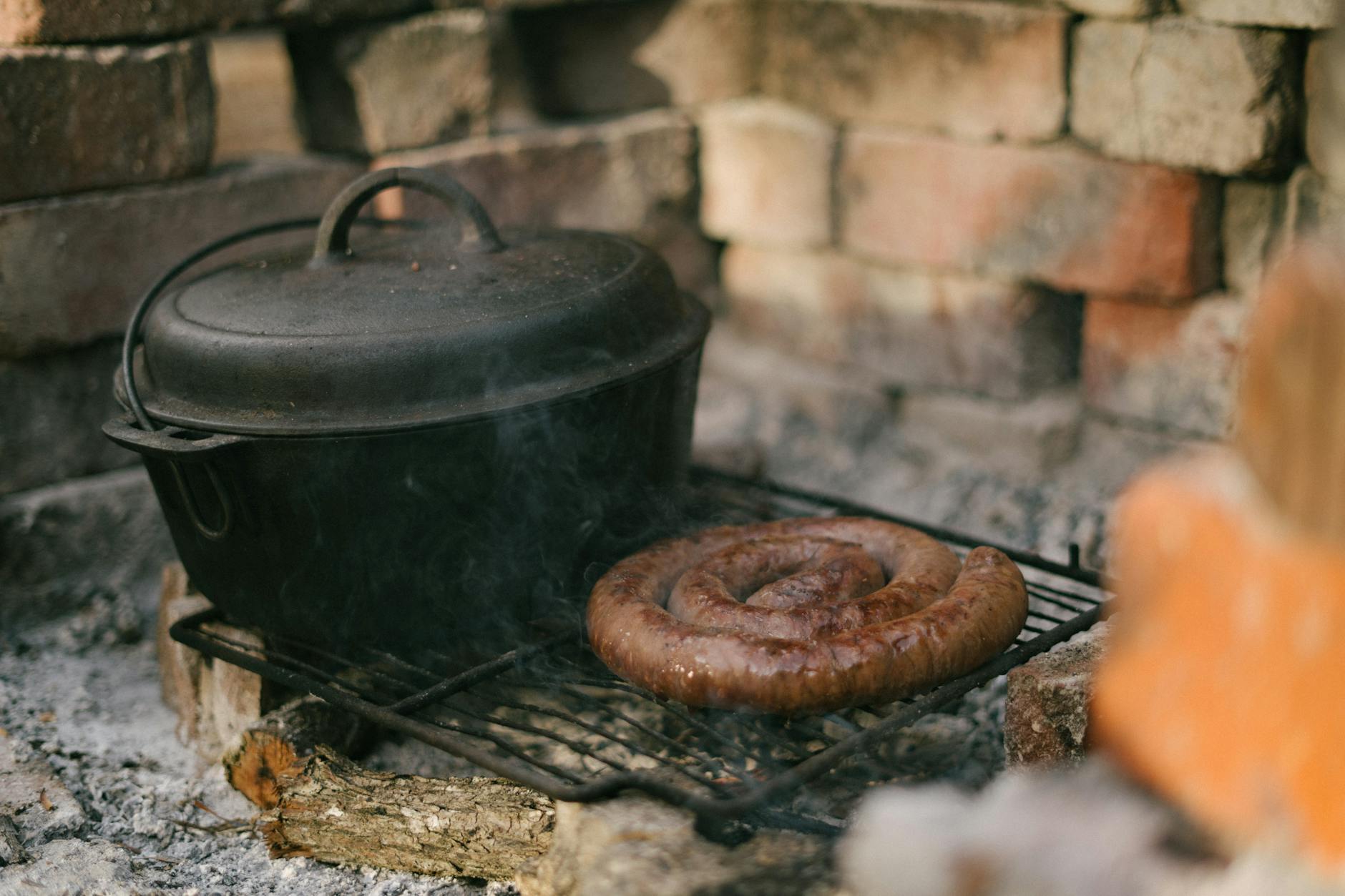
When grocery money ran out during the Great Depression, American home cooks didn't just make do — they developed genuinely ingenious techniques for squeezing every drop of nutrition and flavor from almost nothing. From pot likker broth to bread-thickened soups, these forgotten methods are surprisingly relevant in an era of rising food costs — and some of them actually work better than their modern equivalents.
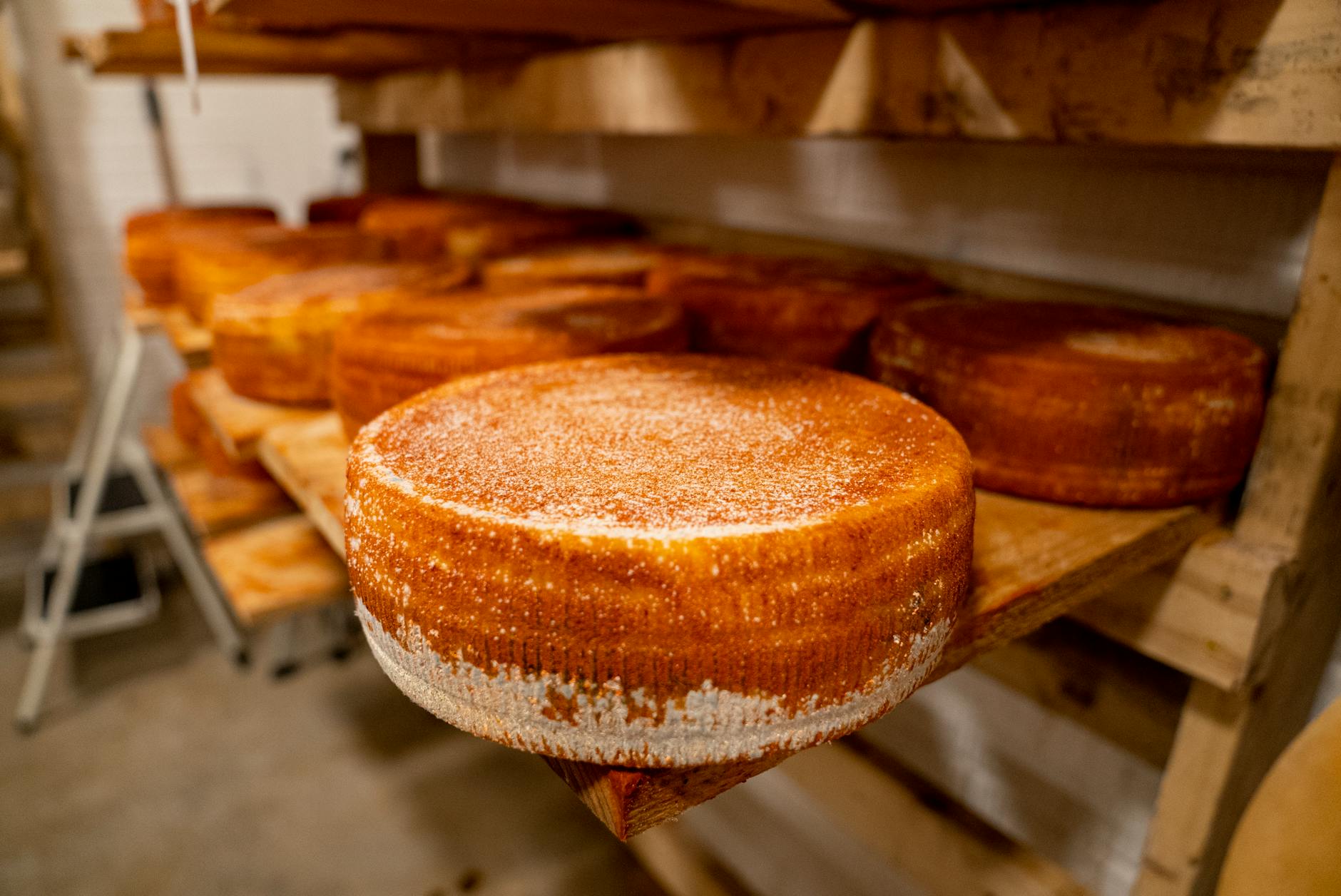
Long before Kraft singles and cheddar blocks ruled the dairy aisle, early American colonists were producing a sharp, crumbly cheese so valuable it was literally used as currency in rural New England. The story of 'store cheese' is one of America's most overlooked food histories — and a quiet revival is finally bringing it back.
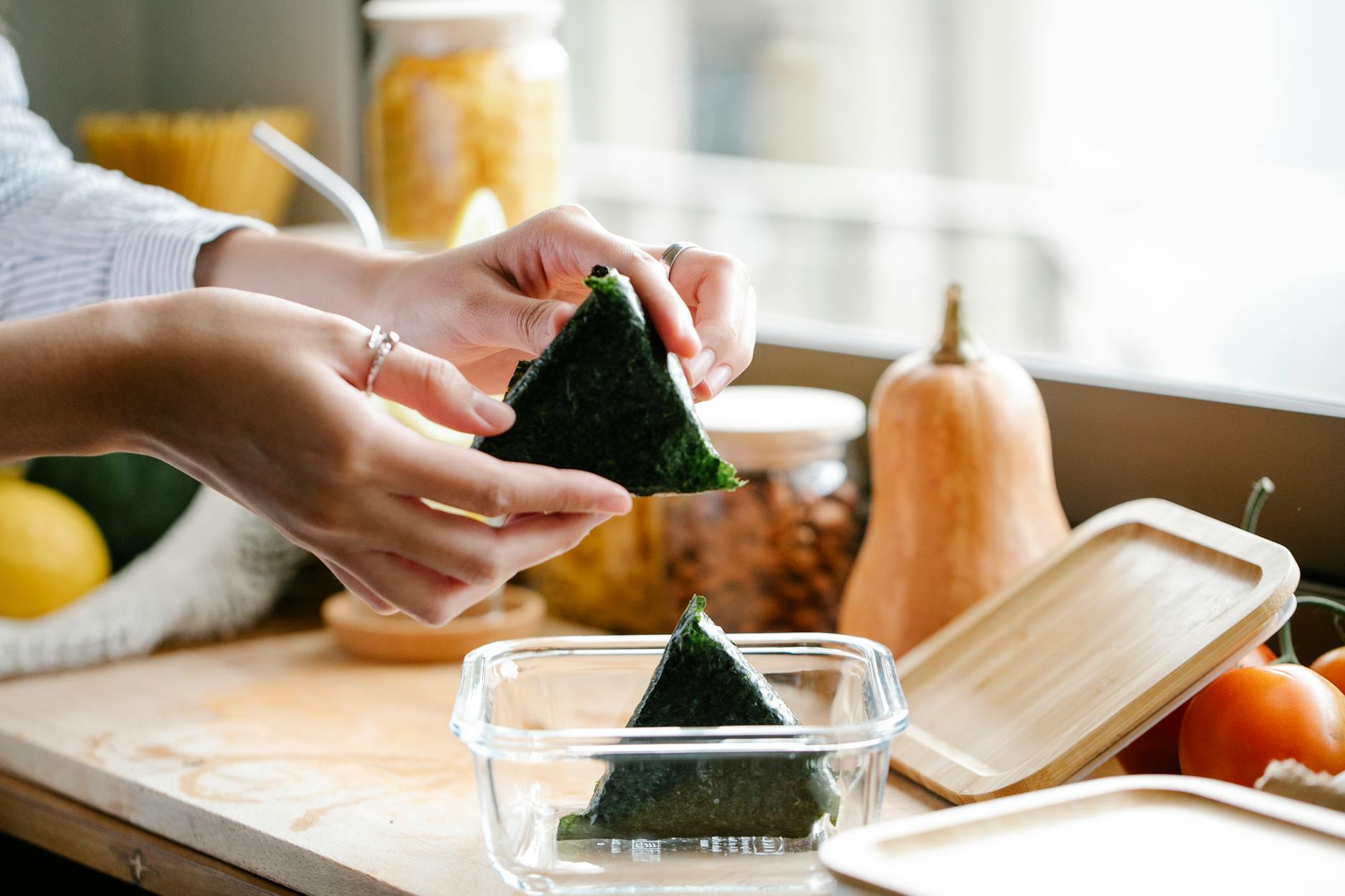
In Japan, grabbing lunch at a convenience store isn't a compromise — it's a cultural ritual built on centuries of thoughtful, portable eating. The humble onigiri, a hand-pressed rice triangle wrapped in crisp seaweed, carries more culinary intention than most American fast food could dream of. And a quiet underground movement is finally trying to bring that philosophy stateside.
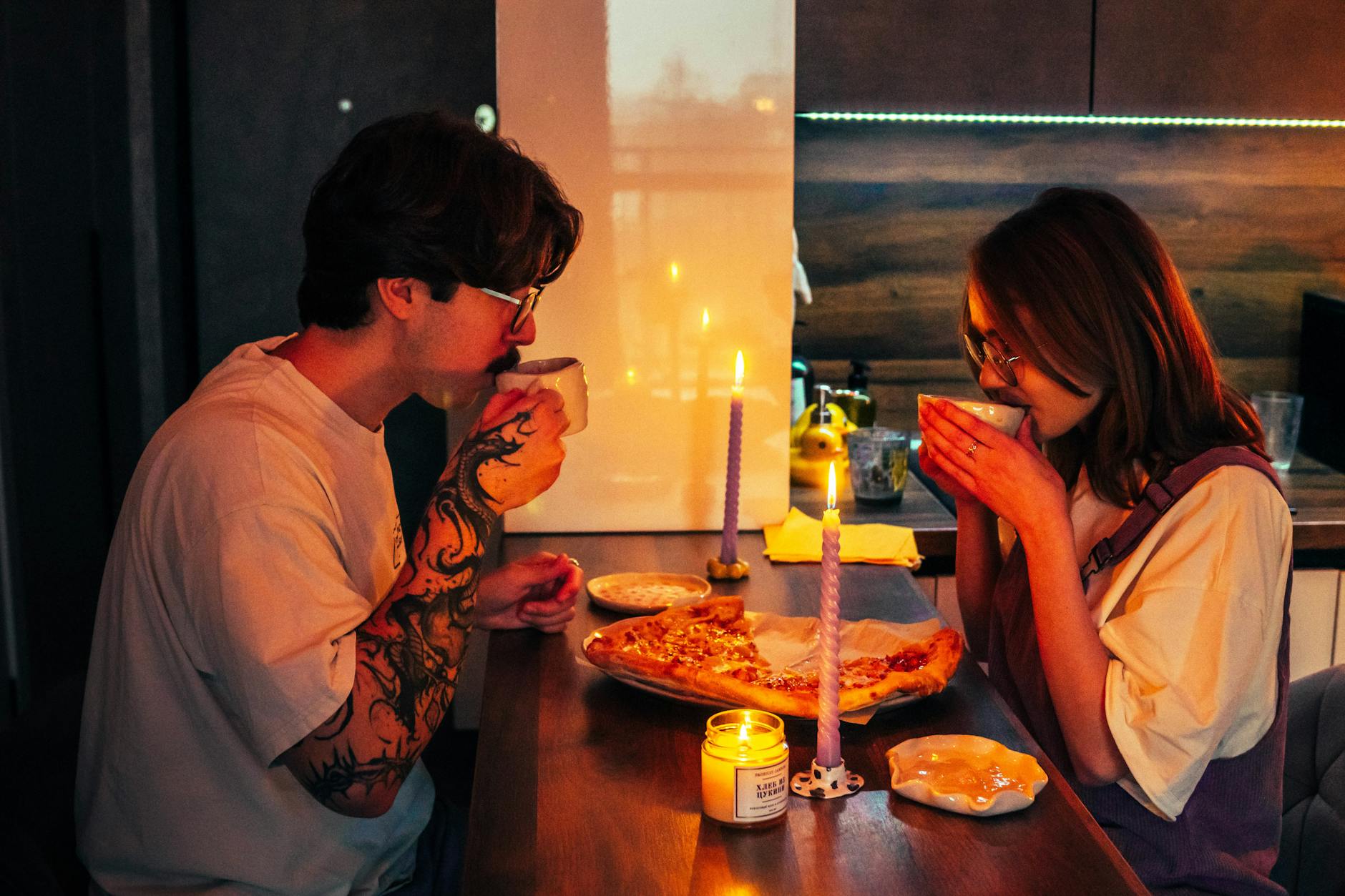
In apartments, on rooftops, and inside repurposed warehouses across New York, Chicago, and Los Angeles, a shadow dining scene has been quietly thriving for years — no reservation system, no online menu, no star ratings. These underground supper clubs are offering something the traditional restaurant industry simply can't: a meal that feels genuinely alive. Here's how they work, and how to actually get in.
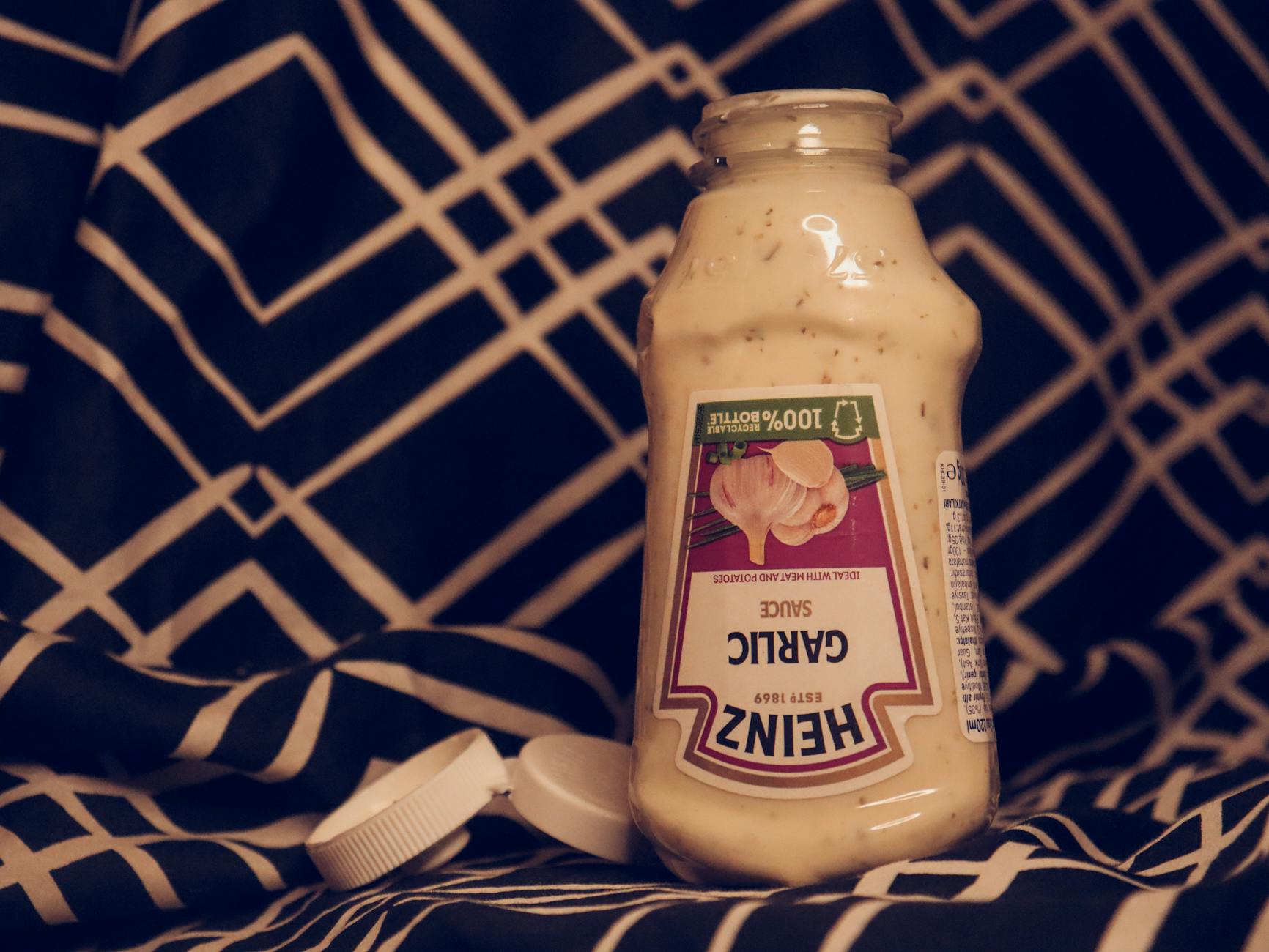
Before ketchup ruled every diner table and backyard barbecue in America, a dark, tangy British import called Harvey's Sauce had the whole country hooked. It outsold nearly every condiment on the market in the late 1800s — then disappeared so completely that most food historians barely mention it. Here's the story of the sauce that got away.
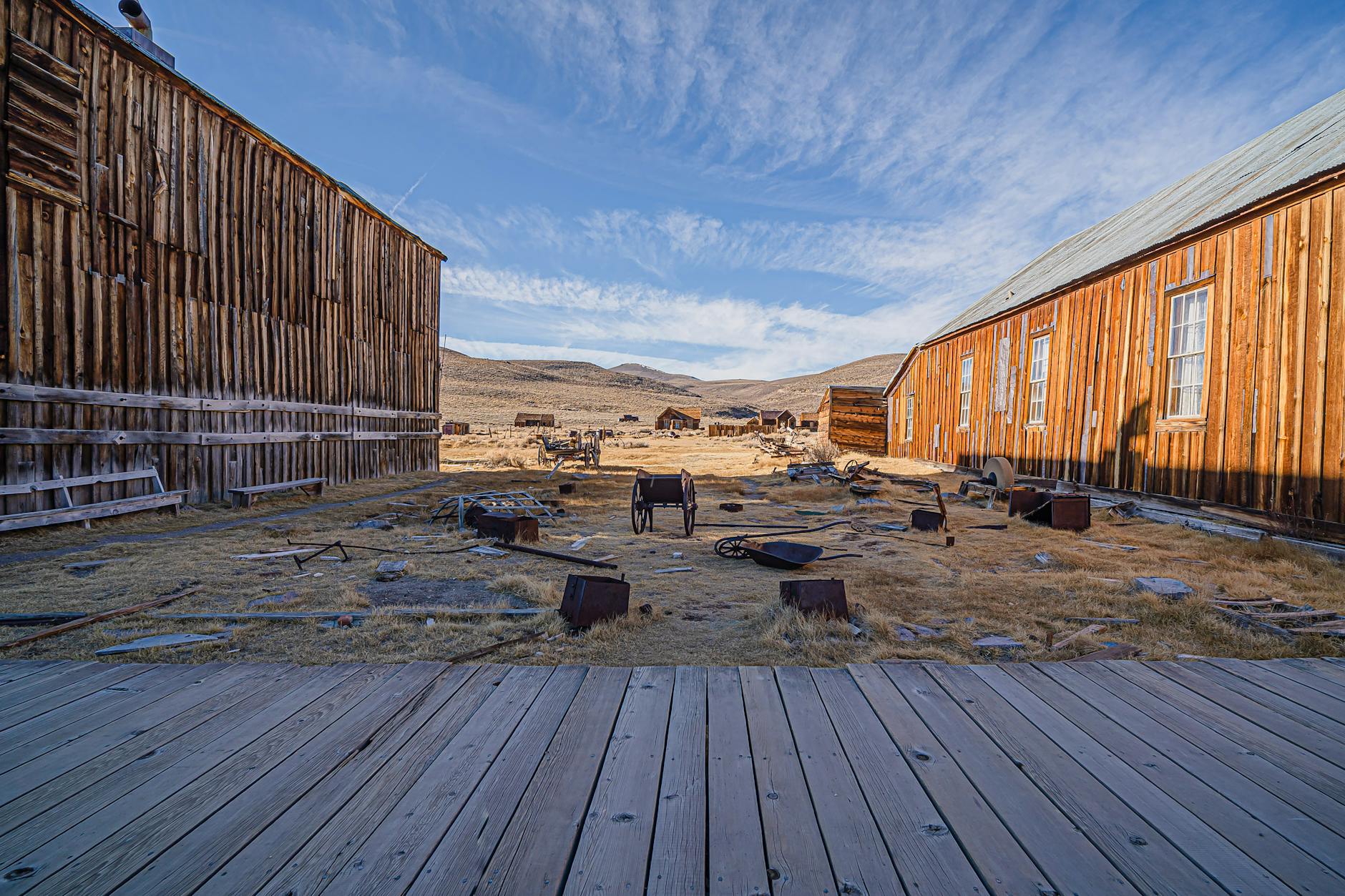
Before protein bars, before trail mix, before anything wrapped in foil with a nutrition label, Gold Rush miners were fueling 14-hour days with a dense, pickled-meat creation that every general store west of the Mississippi stocked by the barrel. It fed an era, then disappeared almost overnight. Here's the story nobody thought to tell.
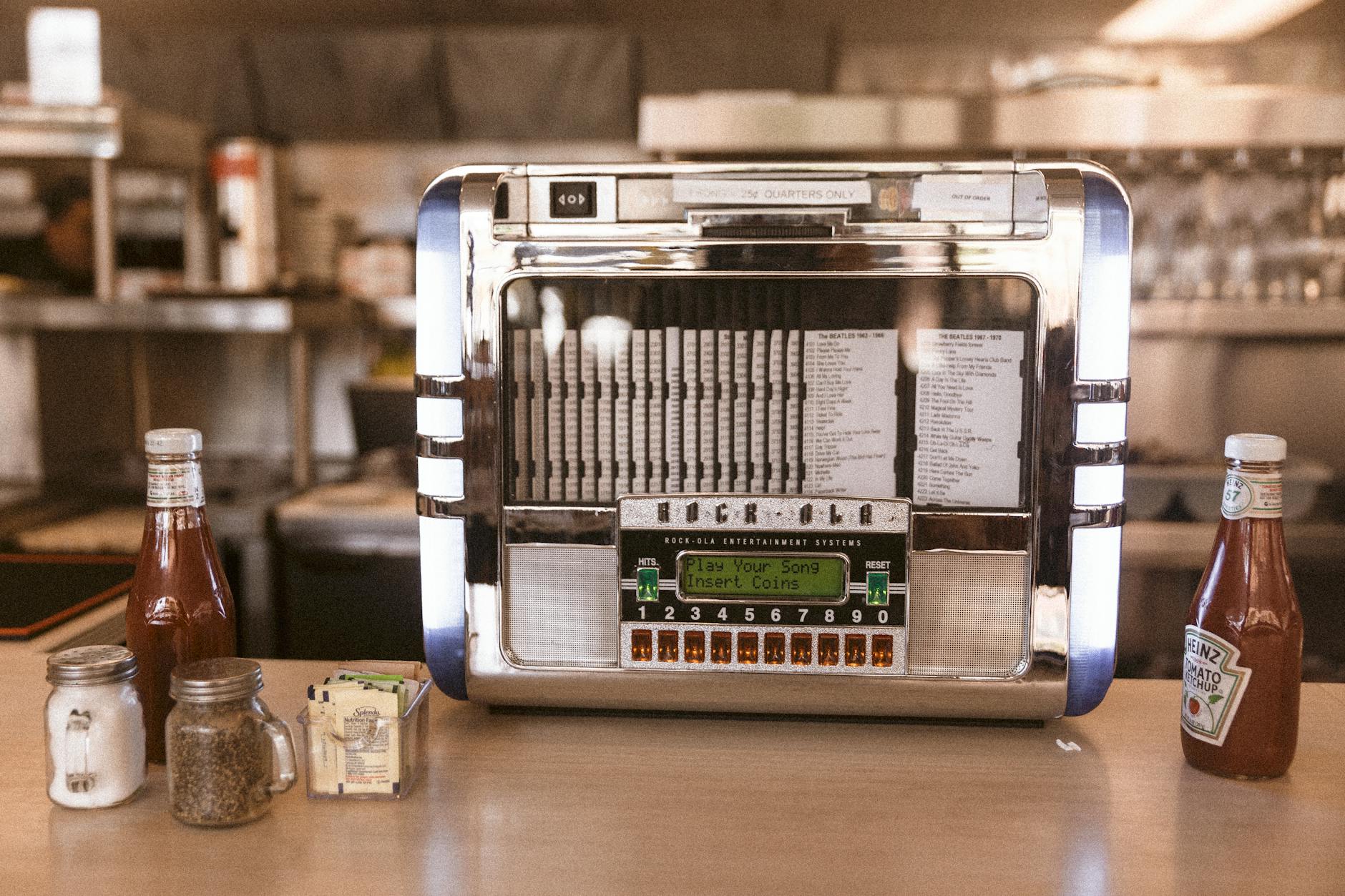
There's a reason your grandmother's diner coffee tasted different from anything you can replicate at home — and it wasn't just the nostalgia. Roadside diners across America were quietly using a handful of old-world brewing tricks, passed down through immigrant communities, that chemically transform bitter coffee into something smoother and richer. Most people have never heard of them. All of them still work.
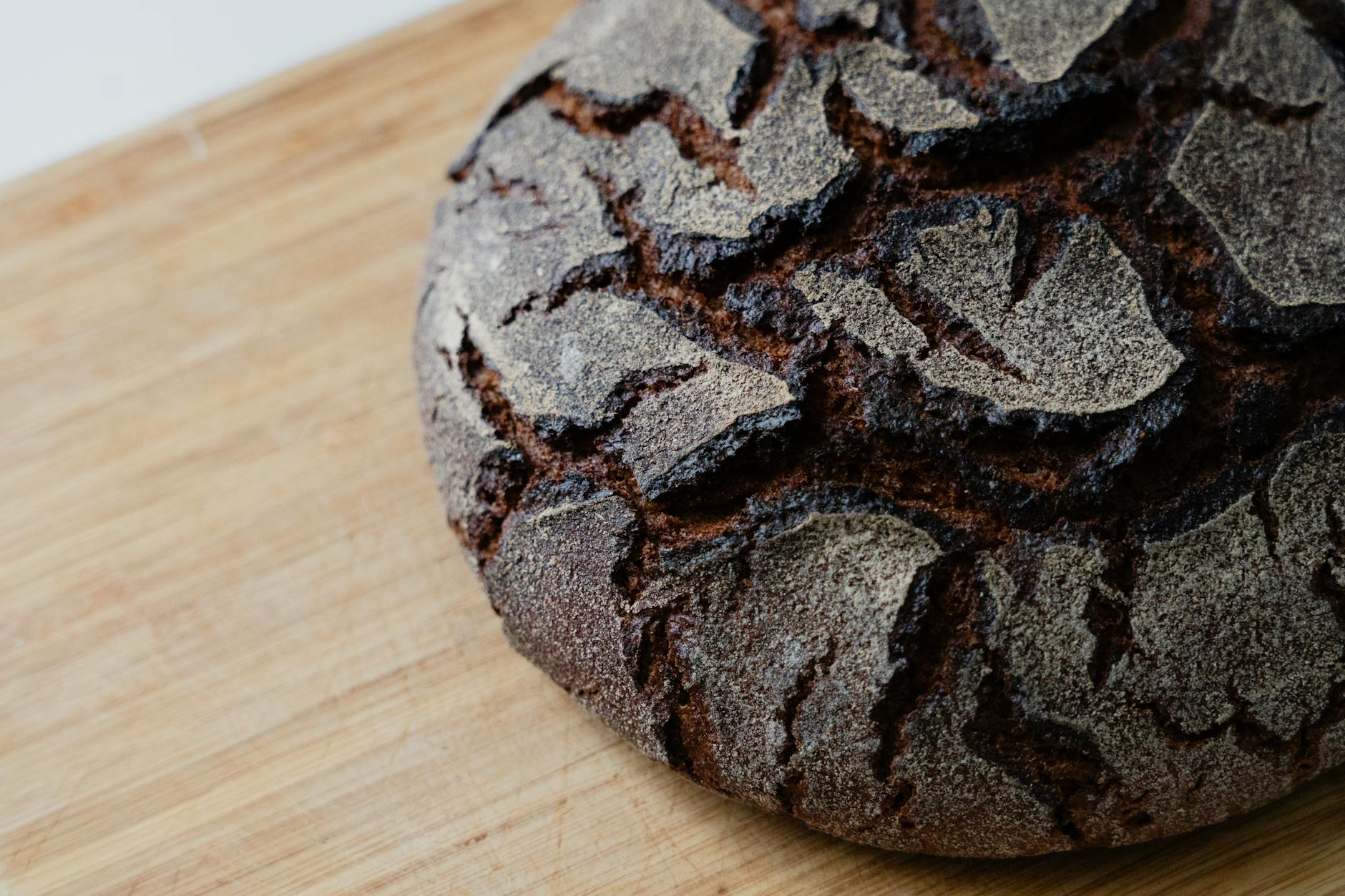
While modern home bakers are stress-posting about dead starters and dense loaves, it turns out European bakers from the 13th century had already figured out most of the hard parts. The techniques they used without microscopes or thermometers have been quietly validated by food scientists — and they reveal just how much we forgot when industrial yeast arrived.

Before Reddit ruled the internet, there was Digg — the scrappy, user-powered news aggregator that had Silicon Valley buzzing and media companies sweating. Here's the full story of its rise, its spectacular fall, and why it keeps trying to come back.